How to minimize the environmental impact when visiting natural areas?
How to minimize the environmental impact when visiting natural areas?
Every activity carried out in natural environments causes a certain impact on that area, so it is very important that visitors to these areas are educated to understand their role in efforts to minimize environmental impact. Fortunately, concern for the environment is something that has been growing among people who value contact with nature, and there are several ways to reduce environmental impacts during a hike.
Plan ahead to minimize your environmental impact
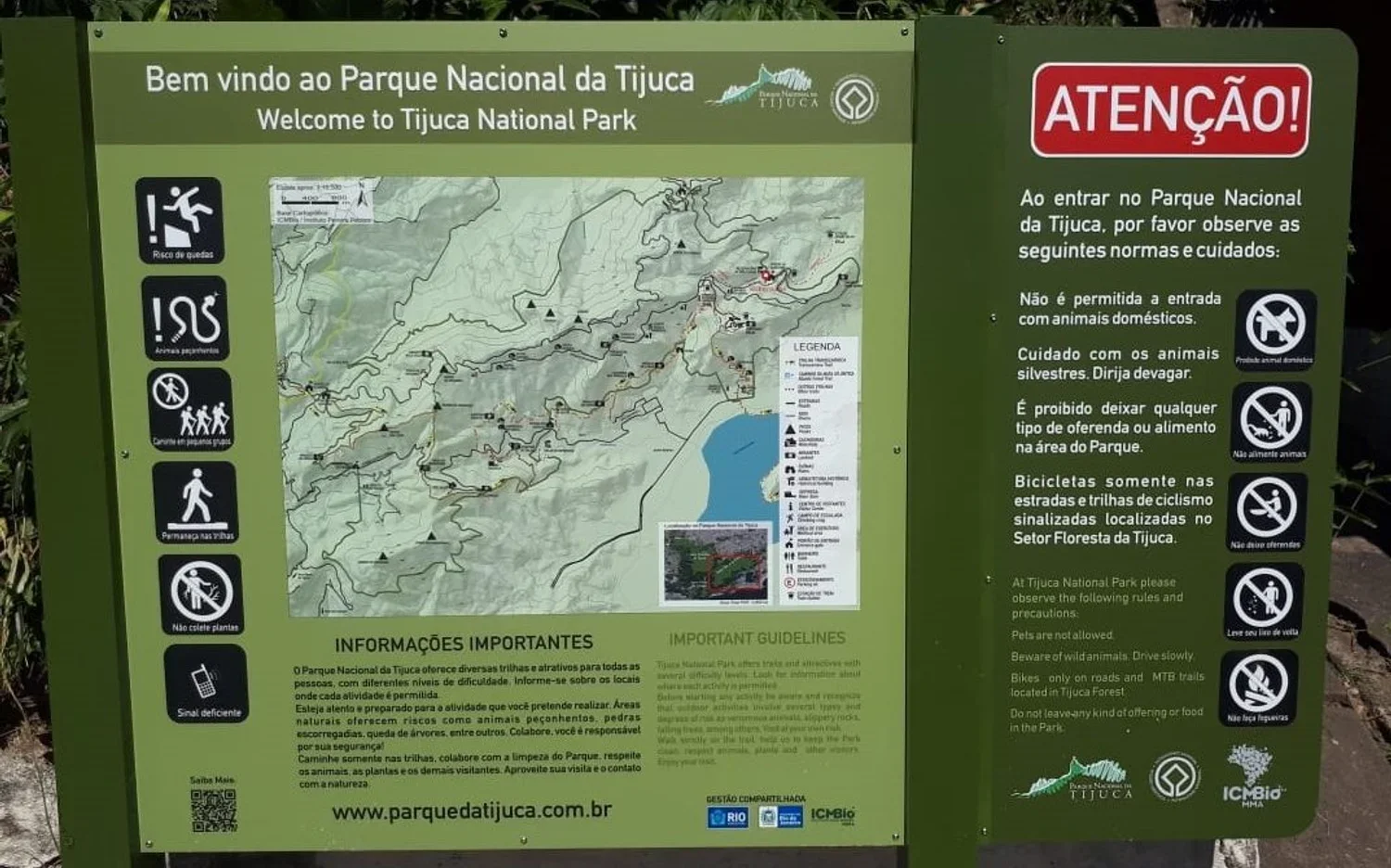
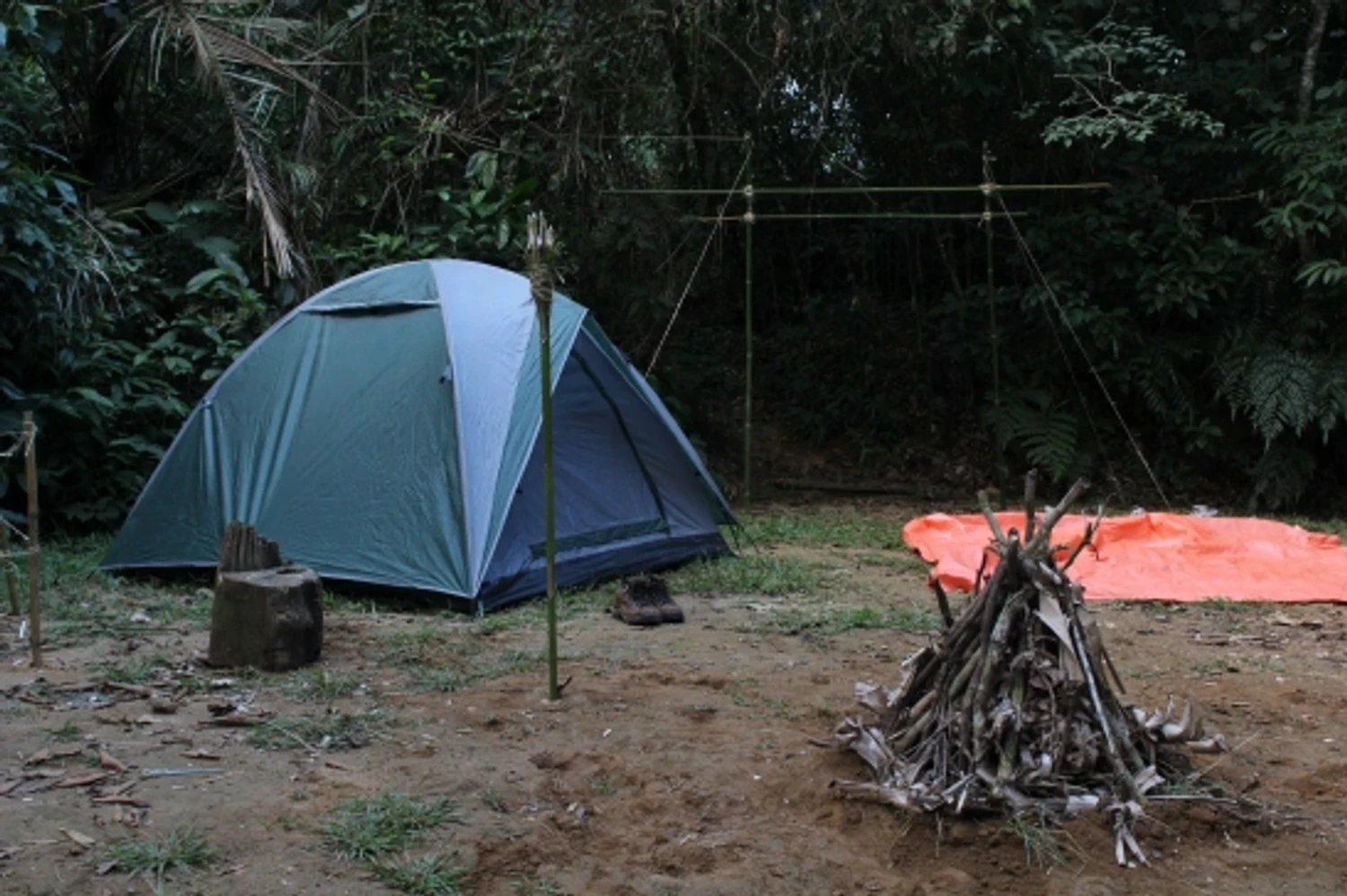
Leave no trace! This is a common expression used in the practice of minimal impact. It summarizes part of the essence of this set of rules. Generally, it tells us that we should not leave any evidence of our passage through a location. This includes litter, campfire remains, waste, etc. The first step to “leaving no trace” is planning. Check in advance everything you will need to bring to the natural area you will visit. Poor planning not only affects you but can also have a negative impact on the place you are visiting. To know how to plan properly, read our post How to Prepare for a Hike. Some parks and conservation units have specific rules about minimal impact, such as the prohibition of camping outside the park’s designated areas, the prohibition of campfires, specific rules about human waste, and even the prohibition of portable stoves. Therefore, inform yourself in advance about the rules of the area you intend to visit. Minimal impact practices go beyond the idea of leaving nothing behind. There are other rules, see:
Respect designated areas
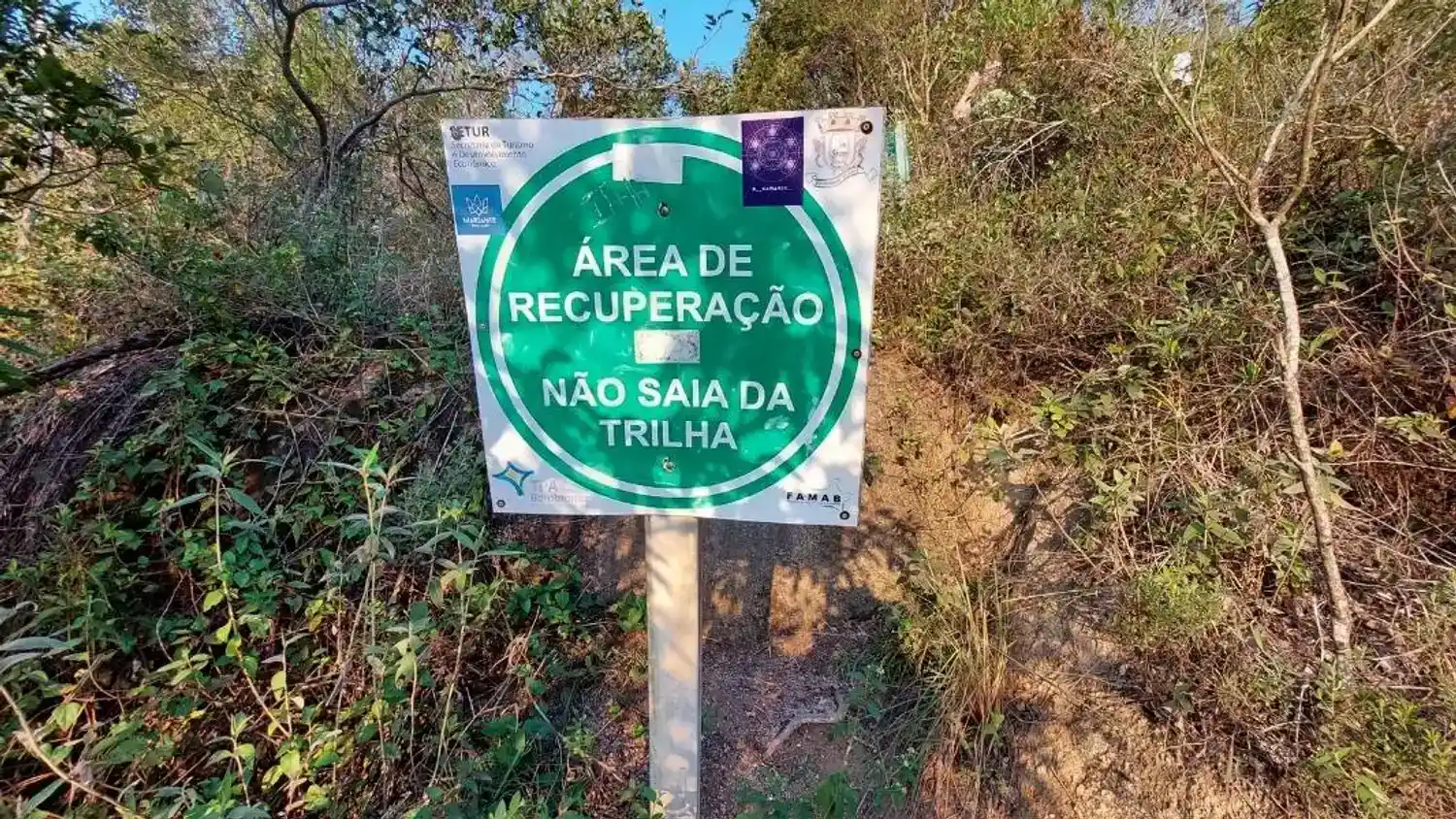
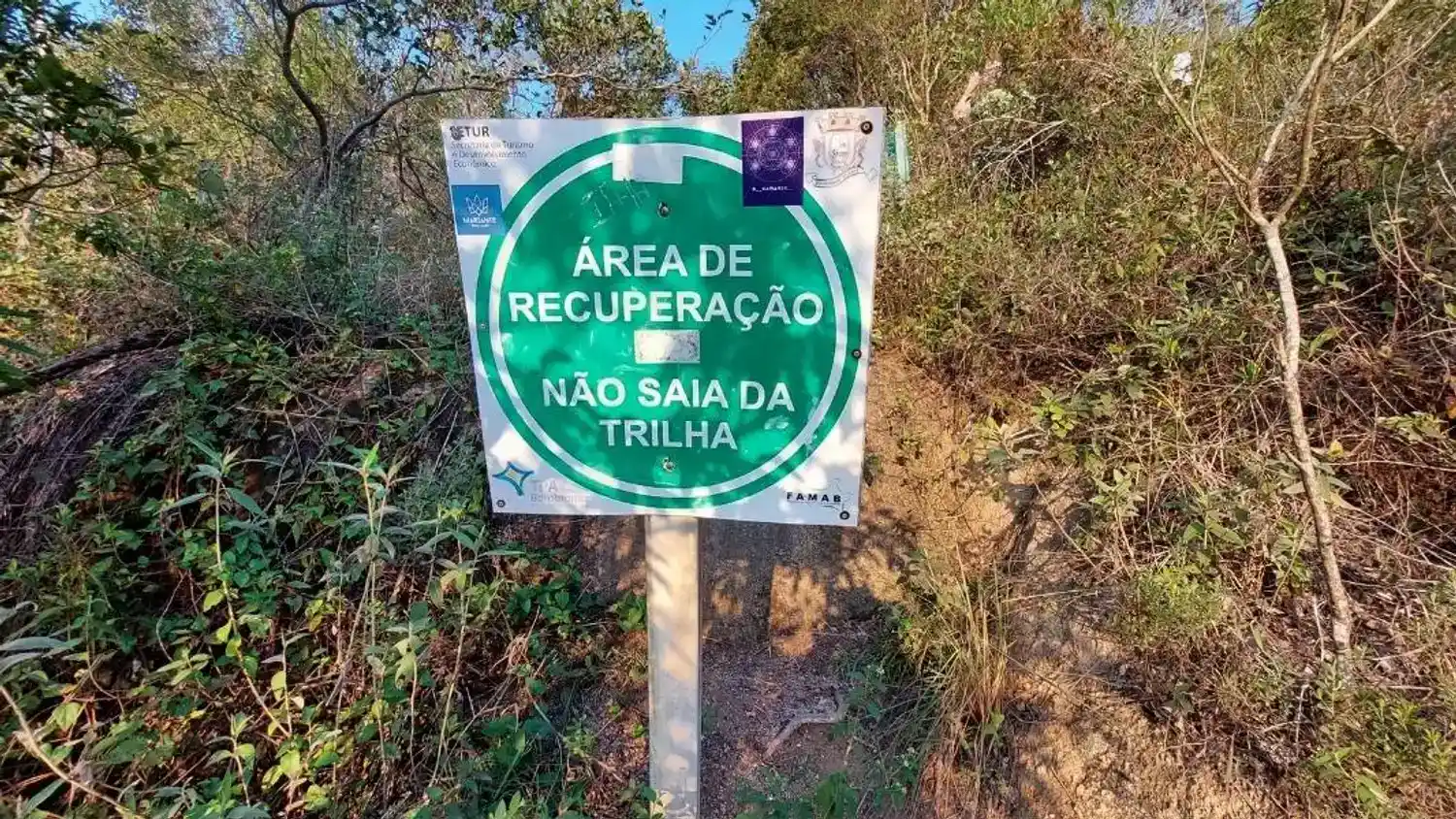
To reduce your environmental impact, it is very important to respect designated areas for use. When hiking, never leave the designated area and do not take shortcuts off the route. Walking outside the established trails not only harms biodiversity by damaging conservation and reforestation areas but also puts you at risk.
Bring your trash back with you
Reducing your waste reduces your impact. Always carry something to take your trash with you, bring it back, and dispose of it properly. Plan to bring foods that generate the least amount of waste possible. Do not discard anything in nature, not even organic waste like fruit peels, as they can have a harmful impact on that biome. Additionally, it’s not pleasant to see a pile of banana peels in an environment where there are no banana plants nearby, right?
Dealing with your waste
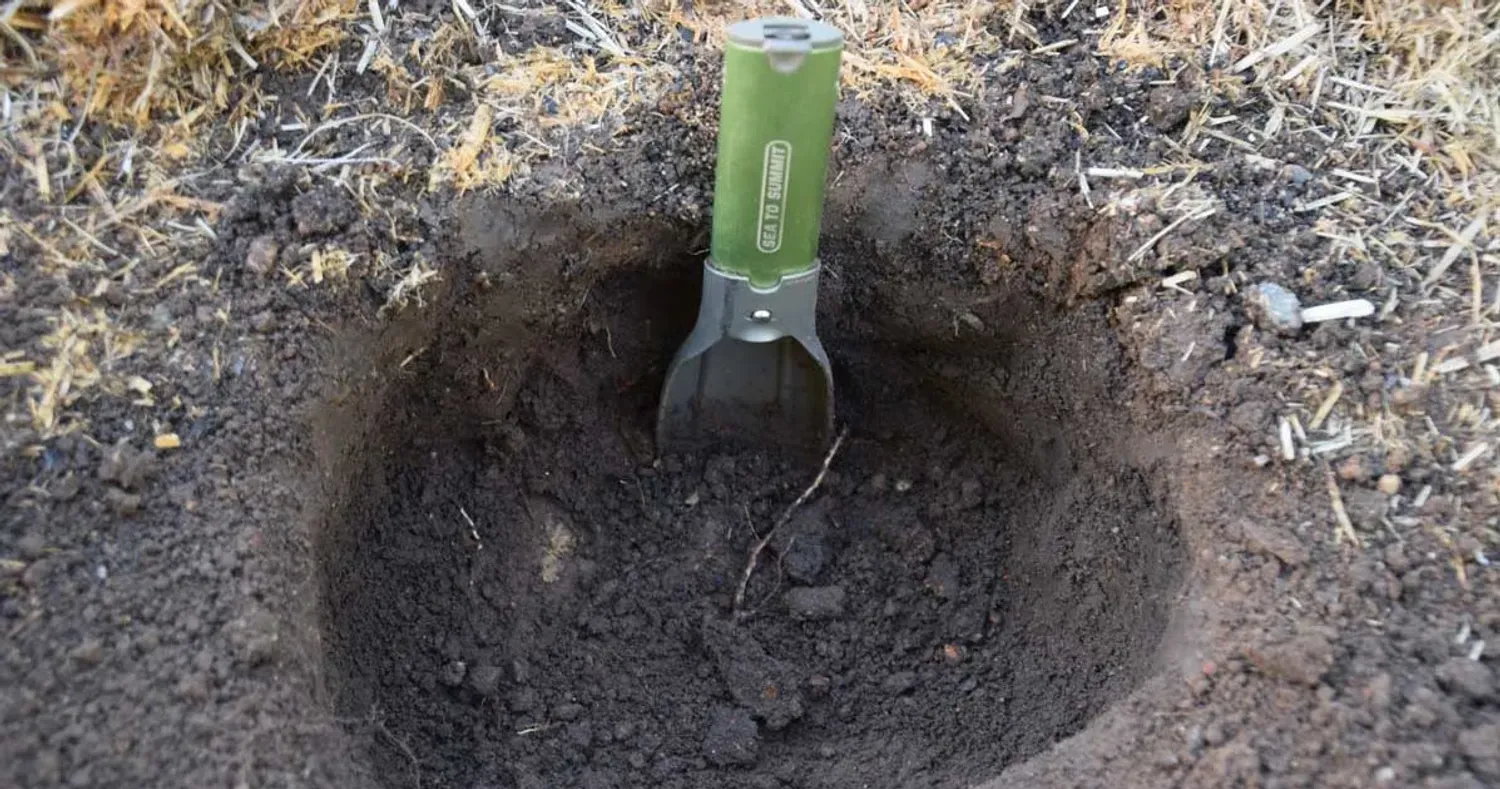
Knowing how to dispose of the waste your body produces is crucial, especially for those undertaking longer activities, such as crossings and camping. "Cat holes" are the holes used for human feces; they should be at least 15 centimeters deep and the waste should be covered with a lot of organic material. It is essential that the cat hole be made away from water sources, as the environmental impact can be severe. Regarding toilet paper, the recommended practice to minimize impact is to carry it out with you and dispose of it in a trash bin. For those who do not want to leave anything behind, there are online tutorials on how to make a “shit tube,” a device that allows you to transport your organic waste cleanly and safely.
Leave nothing behind
Leaving objects in nature has a negative effect, and taking things from it is also not right. Have you heard the expression: “Take nothing but pictures”? Many people like to pick flowers or take stones or shells as souvenirs, not realizing the harm this does to the environment. If you want to enjoy nature with minimal negative consequences, take only photos, videos, and good memories—nothing more.
Do not interact with wildlife
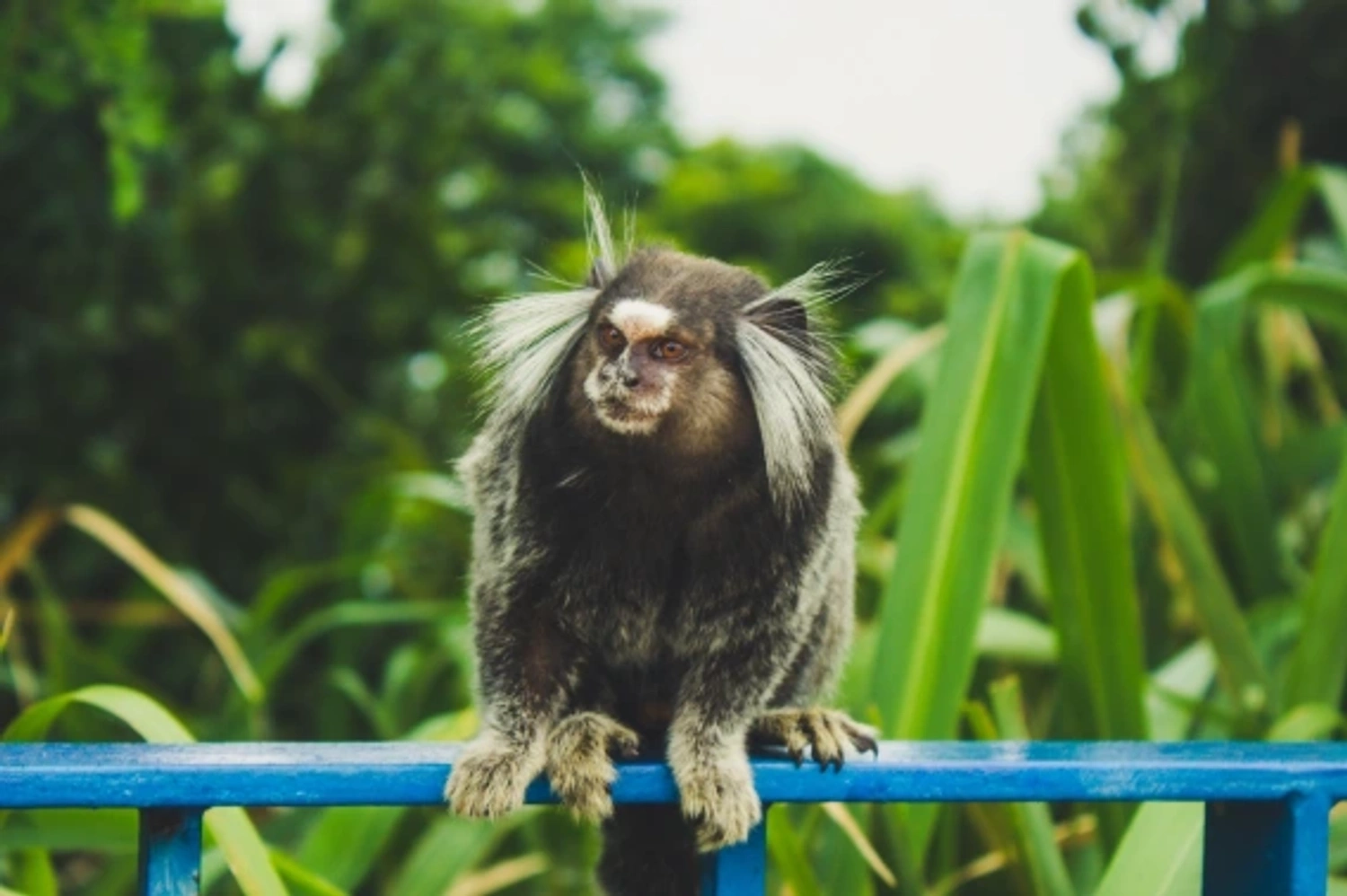
Wildlife also suffers greatly from visitation. The actions of hikers can affect animals both directly and indirectly. Keep in mind that this natural area is the home of many species, so show respect, avoid making noise, and do not bring sound equipment. If you spot a wild animal, do not interact; keep your distance and continue on your way, or wait for the animal to move away. By clicking here, you can find various trails where wildlife is present. Remember: never, under any circumstances, feed the animals, no matter how tempting it may be. Feeding animals makes them accustomed to consuming foods that are not part of their natural diet. This affects their health, as they can contract human diseases, alters their eating habits, and causes them to start seeking food in camping areas, even tearing apart tents to steal food.