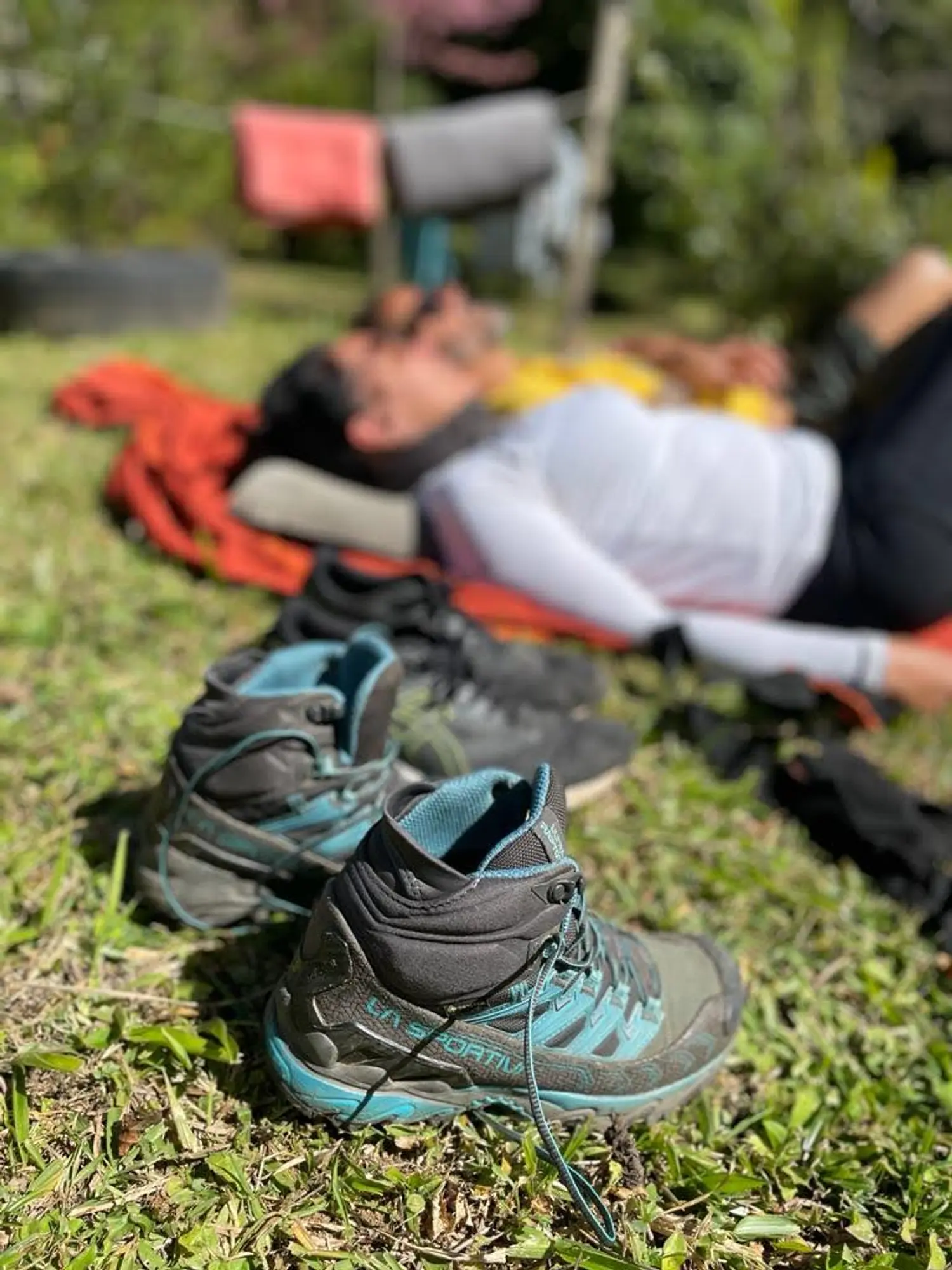
How to clean and maintain your hiking boots?
Those who hike know well: the boots (or sneakers) are the most important item in your safety gear. They provide grip on wet rocks, stability for the ankle, and protection against rough terrain. Knowing how to clean your boots helps extend the lifespan of these great adventure companions!
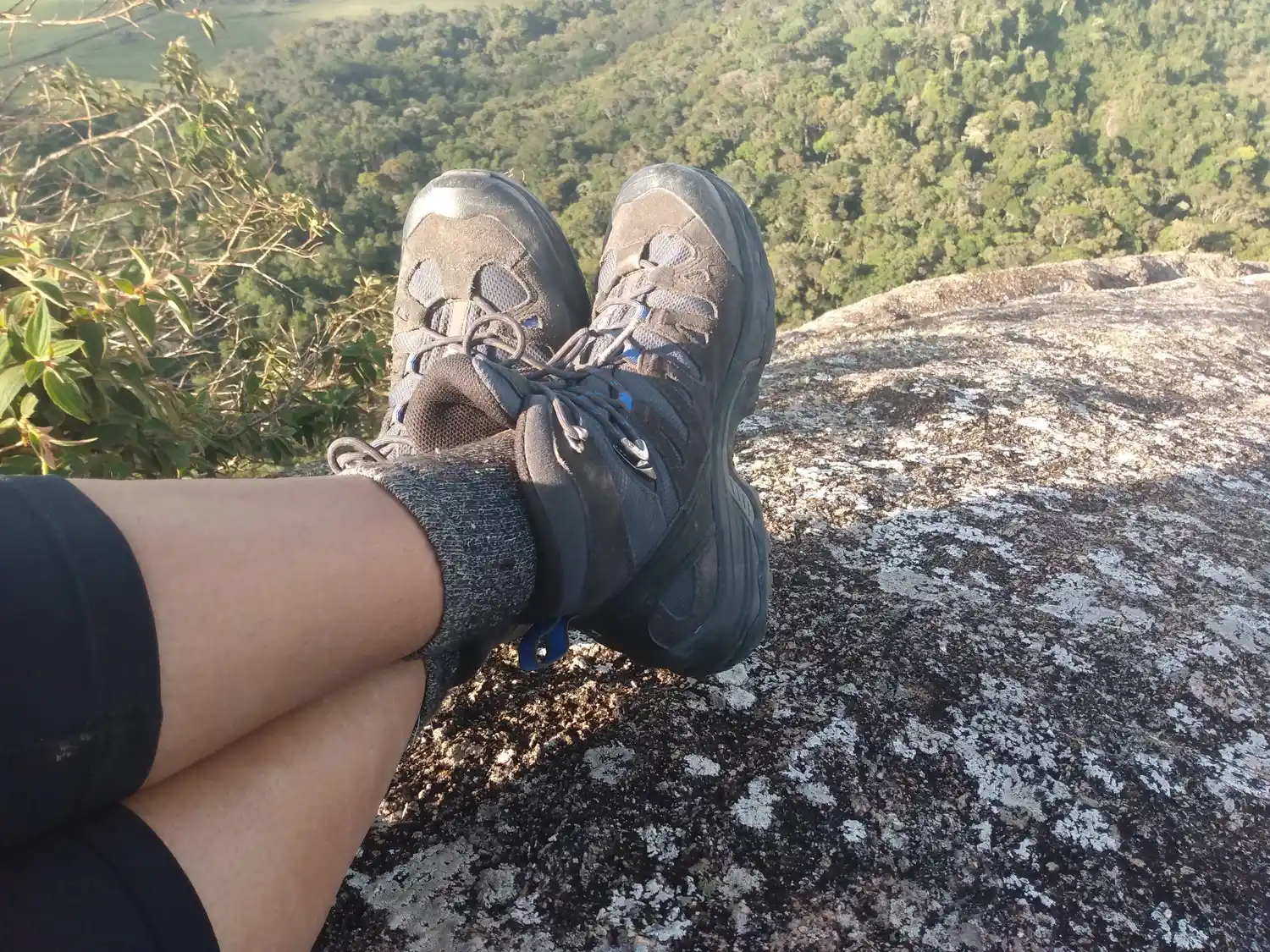
Dirt is not just an aesthetic detail. Dry mud and accumulated dirt act as an abrasive that wears down the material used in the manufacture of footwear, drying out and destroying waterproof and breathable membranes (such as Gore-Tex or Dry System).
Additionally, the sweat accumulated after hours of walking creates the perfect dark and humid environment for the proliferation of bacteria, resulting in the dreaded bad odor - the infamous foot odor!
If you want to protect your investment, maintain hygiene, and ensure that your footwear lasts for many years and adventures, this article will teach you the practical and technical step-by-step on how to clean and maintain your hiking boots!
What YOU CAN and CANNOT do when cleaning hiking boots!
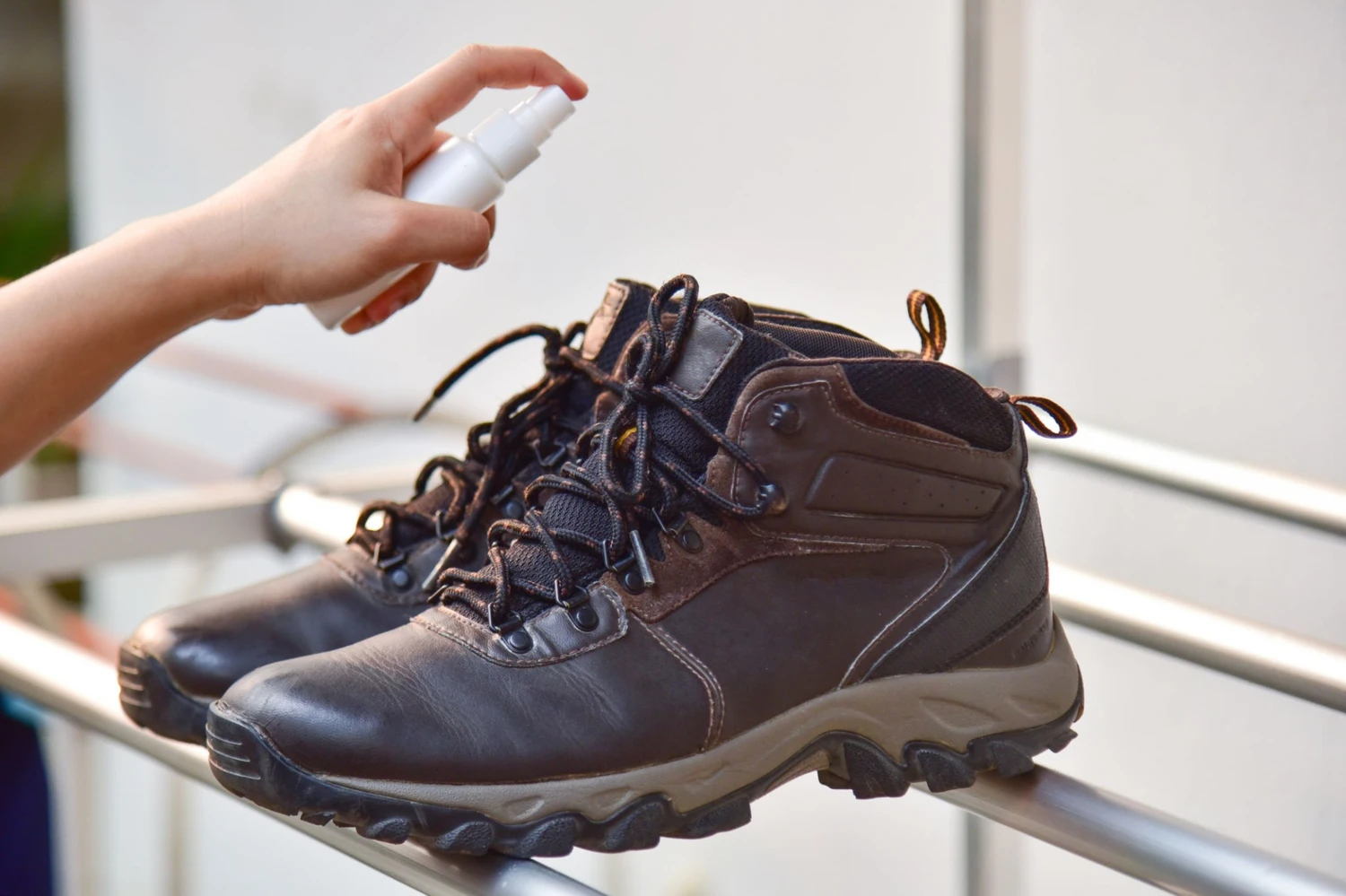
Many people enjoy the look of a boot covered in mud, a symbol of many stories to tell. However, there is a classic mistake that significantly shortens the lifespan of these shoes: letting the mud dry on the boot until the next adventure.
Before turning on the faucet, you need to understand that the technological materials of hiking shoes require specific care. Using the wrong products can compromise the polyurethane glues, corrode the lace eyelets, and remove the water-repellent capability.
WHAT NOT TO USE:
Washing machine: the centrifugal force and friction destroy the shoe's structure and detach the sole;
Dryer or hairdryer: extreme heat melts the glues and shrinks the waterproof membranes;
Dish detergent or laundry powder: contain aggressive chemical agents and bleaches that dry out the leather and destroy the chemical treatments that promote water-repellent function, the DWR (Durable Water Repellent).
WHAT CAN BE USED:
Warm or cold water;
Neutral glycerin soap, coconut soap, or a specific cleaner for outdoor footwear;
Soft bristle brush (tip: old toothbrushes are excellent for hard-to-reach corners);
Hard bristle brush (only for the sole);
Soft microfiber cloth.
Step-by-step guide to cleaning your hiking boots:
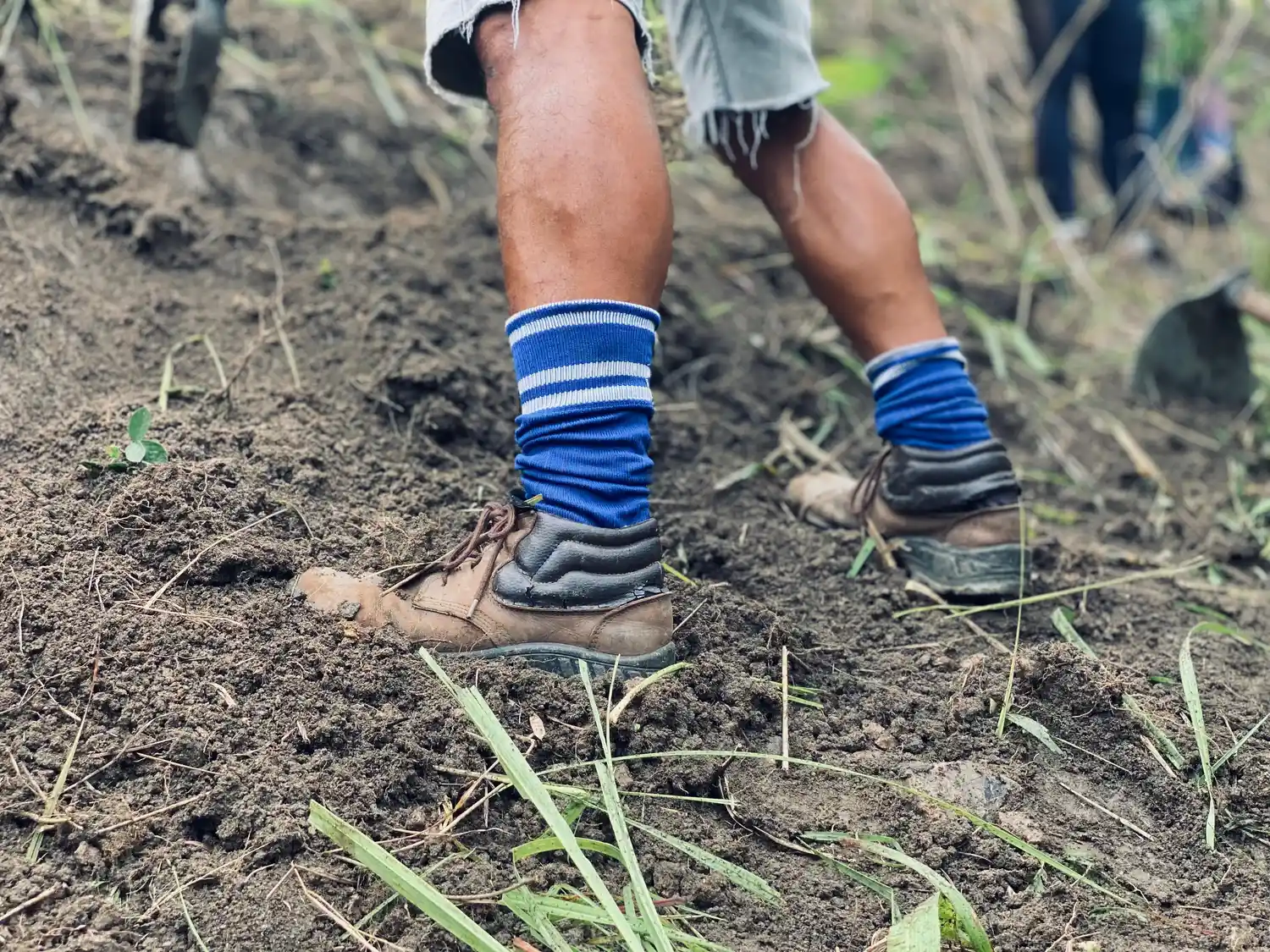
For efficient cleaning, divide the process into steps. This prevents dirt from one area from transferring to another and allows you to clean all corners and materials of your hiking boots.
STEP 1 - Removal of Coarse Dirt (the drier type): never pour water directly onto boots covered in muddy/wet dirt. Wait for the mud to dry completely. Once dry, bang one boot against the other to dislodge the larger clumps of dirt. Use a stiff-bristled brush to clean the grooves of the sole (the lugs/grips), ensuring that no stones or debris remain stuck there;
STEP 2 - Disassembling the Footwear: remove the laces and insoles. Washing the boot assembled prevents you from cleaning the dirt accumulated on the tongue and inner corners.
Laces: soak in water with mild soap and scrub them by hand (you can also use a soft bristle brush);
Insoles: accumulate a lot of sweat and bacteria. Gently scrub them with a soft brush and mild soap and let them dry in the shade;
STEP 3 - Detailed Washing: dip the soft-bristled brush in a mixture of warm water with mild soap and clean your hiking boots from top to bottom. Scrub the upper without applying excessive force, especially in mesh/fabric areas (DO NOT use stiff-bristled brushes, as they can fray the fabric or damage the seams). Use a toothbrush to clean the metal eyelets and seams, where the salt from your sweat and dust tend to accumulate;
STEP 4 - Internal Cleaning: for routine cleaning of the inside of your hiking boots (sweat, dust, sand, or light odor), wash only with warm water. In case of mud inside the boot or strong internal odor, use warm water and mild soap (preferably, a well-diluted liquid soap). In both cases, use your hands or a very soft sponge to scrub the interior.
⚠️ Attention: For waterproof boots, if using soap to wash the inside, rinse thoroughly with clean water to ensure that no soap residue blocks the pores of the waterproof membrane.
Drying your hiking boots matters!
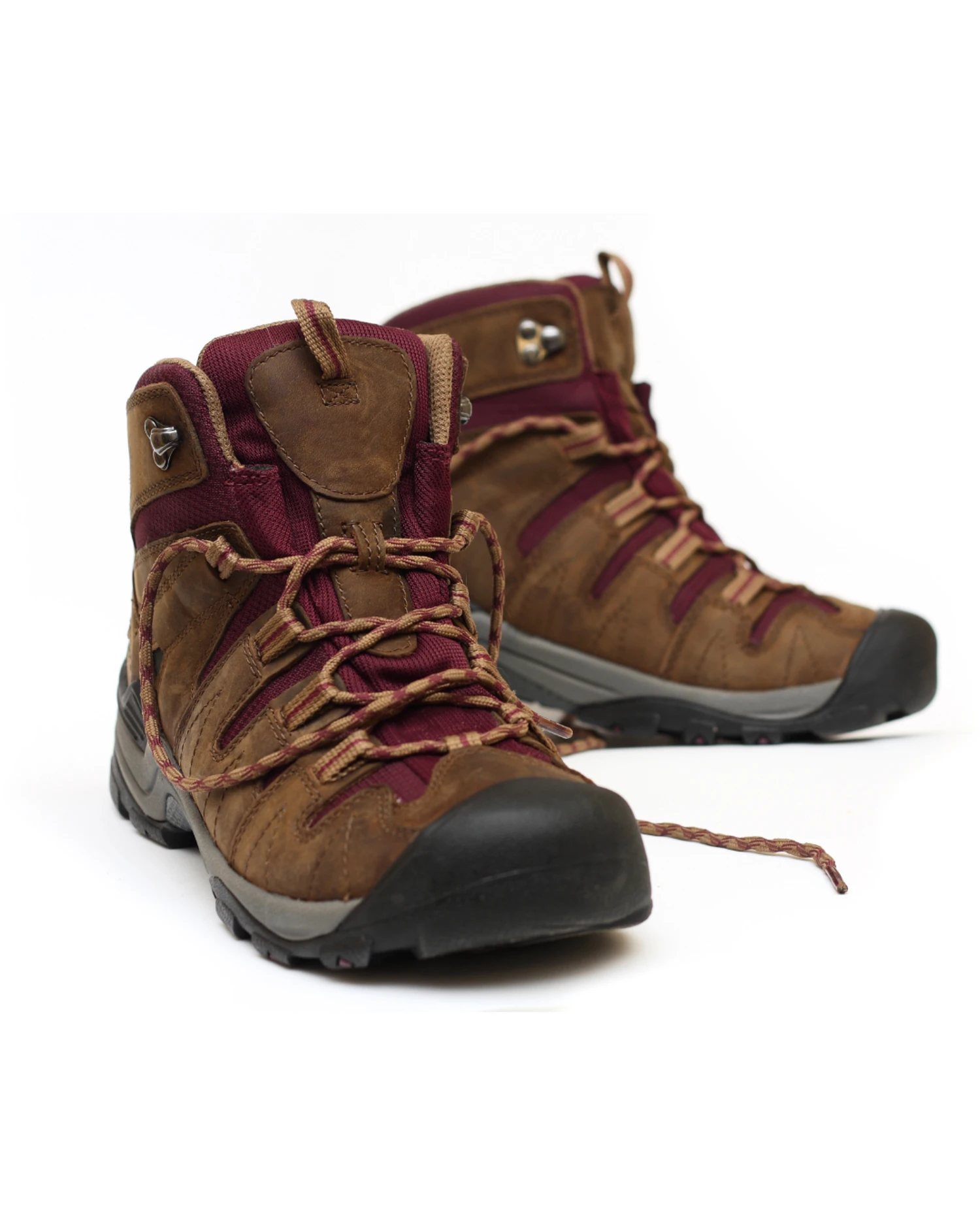
Most hiking boots do not get damaged on the trail, but at home, during improper drying or storage between adventures. Golden tip: heat is the worst enemy of mountaineering equipment materials!
Remove excess water: turn the footwear upside down for a few minutes to drain accumulated water;
The paper trick: crumple up paper towels or newspaper (avoid pages with a lot of colored ink to prevent staining the interior) and fill the inside of the boot completely. The paper will draw moisture from inside out;
Ideal environment: let your hiking boots dry at room temperature, in a ventilated area, and always in the shade;
Periodic change: in the first few hours, change the internal paper as soon as you notice it is soaked. This speeds up the process and prevents the proliferation of fungi and bacteria.
Never, under any circumstances place your boots in strong sunlight, behind the refrigerator, near campfires, or use hair dryers. Excessive heat dries out the leather, causing it to crack, and weakens the glue, leading to the infamous sole detachment in the middle of your next hike!
How to store your hiking boots!
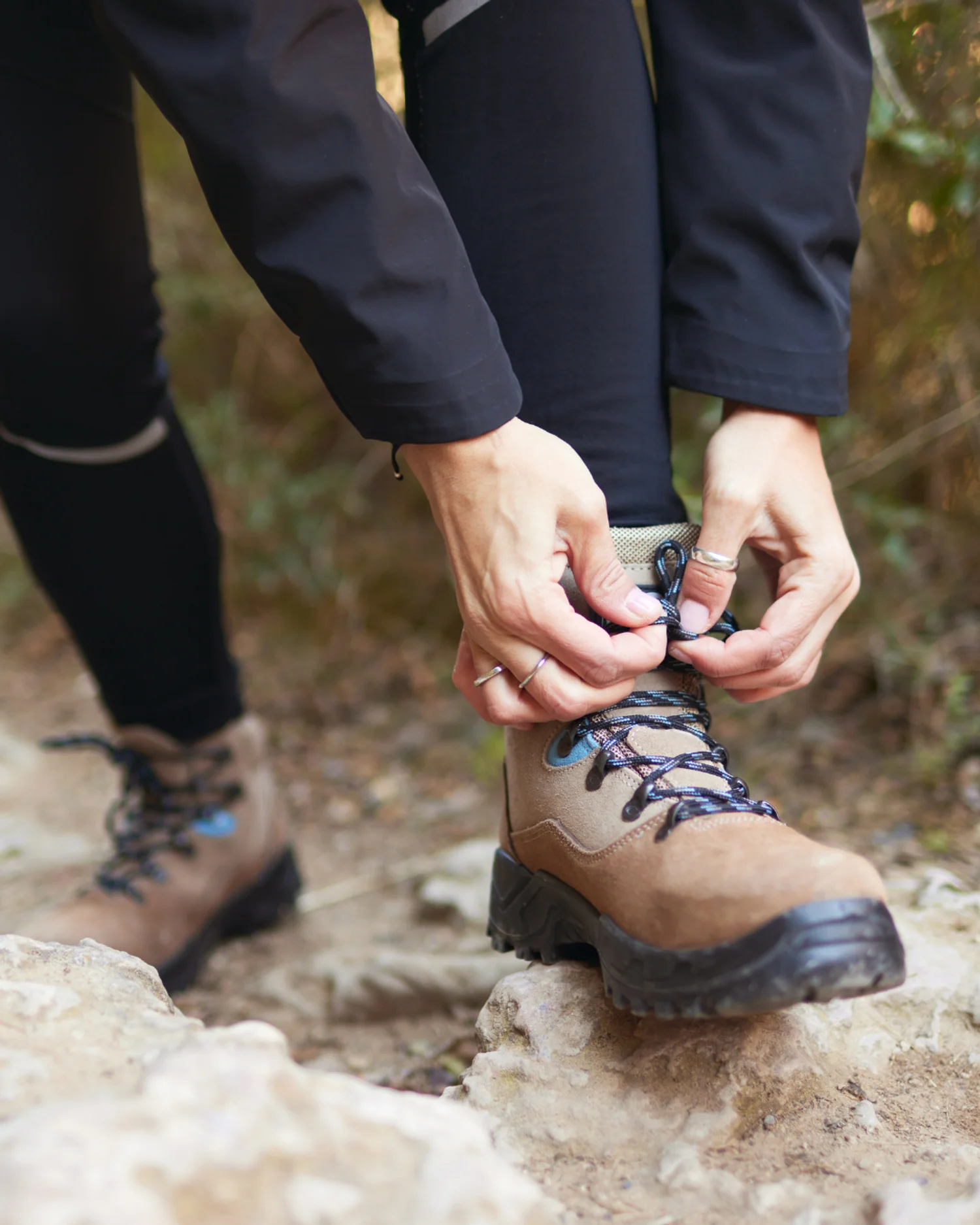
Have you ever heard of the boot that "crumbled" or had its sole completely come off within the first few kilometers of a trail after being stored for months? This is called hydrolysis.
Hydrolysis occurs when the humidity in the air breaks the chemical bonds of the polyurethane (PU) in the midsole. This happens much more with boots that are stored for a long time than with boots that are frequently used.
How to prevent your boots from getting damaged: never store your hiking boots while they are damp. Make sure they are 100% dry. Store them in well-ventilated areas and never in closed plastic bags or airtight boxes. And most importantly: wear your boots. The act of walking compresses the midsole, expelling the microscopic moisture accumulated in the PU molecules.
How to get rid of foot odor in your hiking boots:
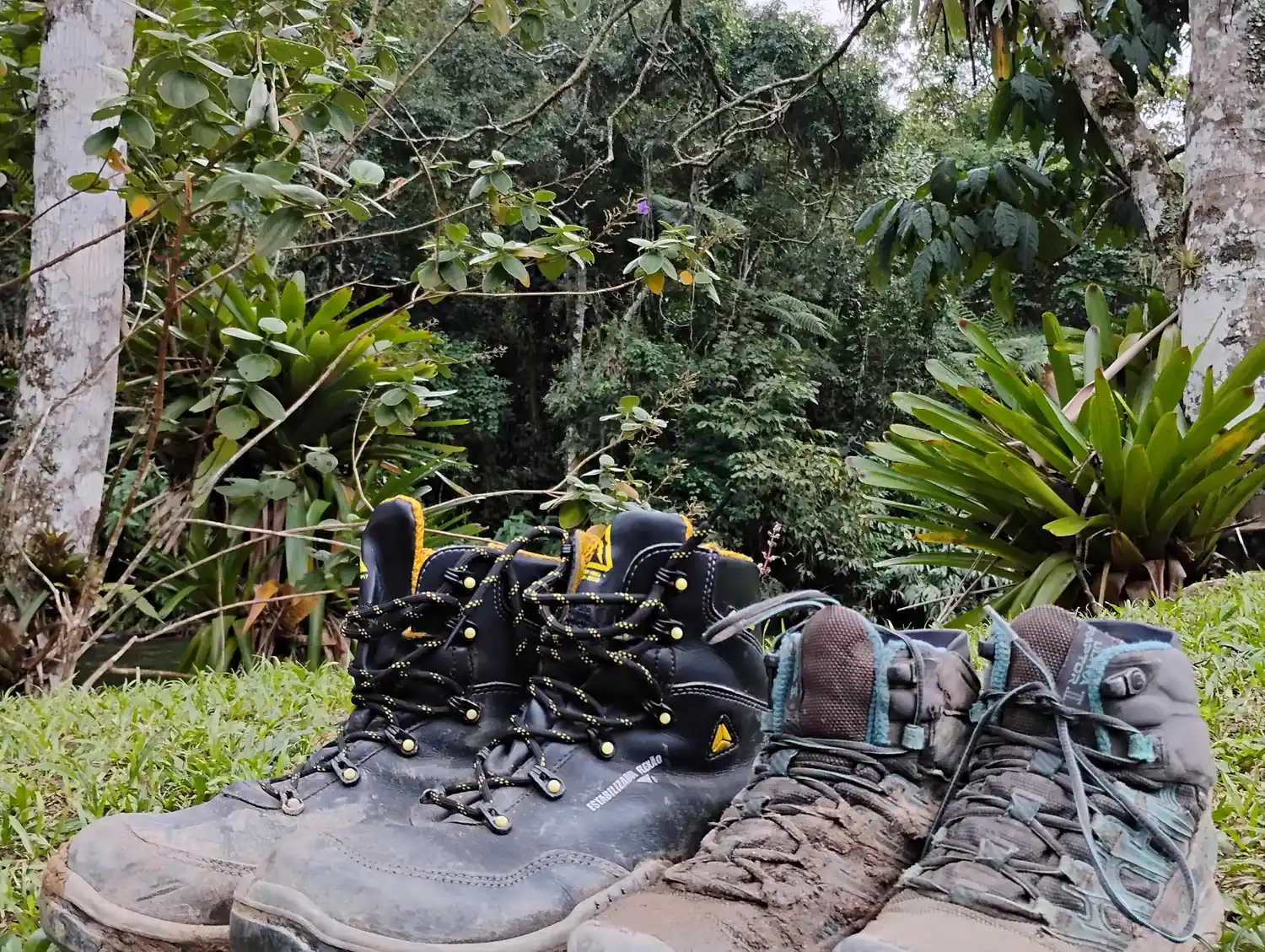
The bad odor in hiking boots is common and caused by bacteria due to sweat that dries and accumulates in the inner fabric and insoles. Here are some tips to eliminate the famous hiking foot odor without damaging the material of your hiking boots:
- Baking Soda: It's great for neutralizing odors and absorbing them. With the boot completely dry, sprinkle a little baking soda inside each shoe or place a tablespoon inside a thin sock, letting it sit overnight (for at least 8 hours). The next day, turn the boot upside down to remove any excess powder, wiping it down with a soft cloth before putting it on.
- Baking Soda: It's great for neutralizing odors and absorbing them. With the boot completely dry, sprinkle a little baking soda inside each shoe or place a tablespoon inside a thin sock, letting it sit overnight (for at least 8 hours). The next day, turn the boot upside down to remove any excess powder, wiping it down with a soft cloth before putting it on.
Your clean hiking boots are always ready for the next adventure!
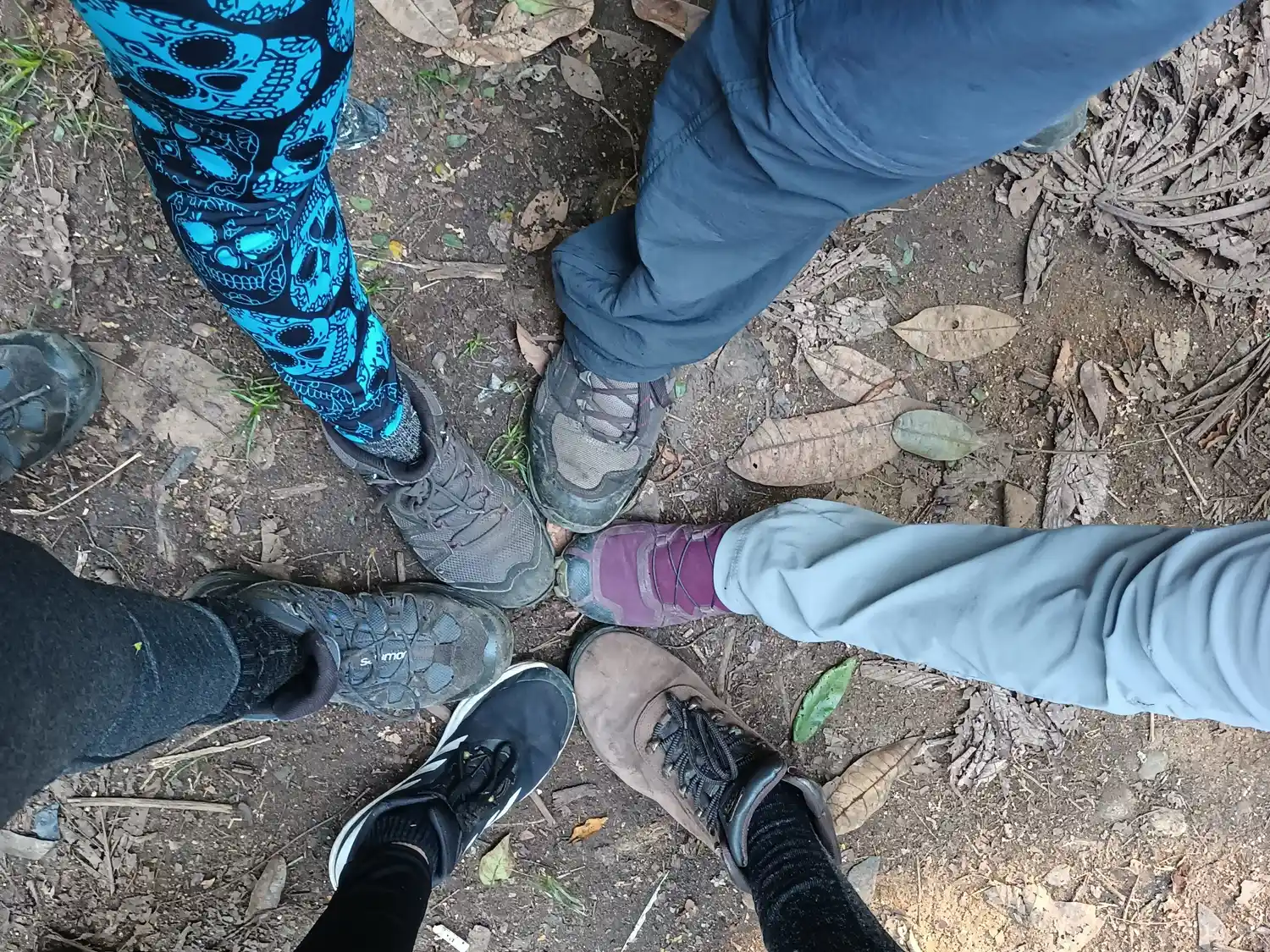
Taking care of your hiking boots and shoes goes far beyond aesthetics: it is a practice that ensures your safety in the mountain environment, prevents blisters caused by insoles deformed by dirt, eliminates bad odors, and protects your wallet in the long run.
Now that your hiking boots are clean, fresh, dry, and protected, what will your next adventure in nature be? Download the eTrilhas app, explore the maps of the best routes in Brazil, check the terrain conditions, and plan your next destination with your feet well accompanied and protected!
Now that your hiking boots are clean, fresh, dry, and protected, what will your next adventure in nature be? Download the eTrilhas app, explore the maps of the best routes in Brazil, check the terrain conditions, and plan your next destination with your feet well accompanied and protected!