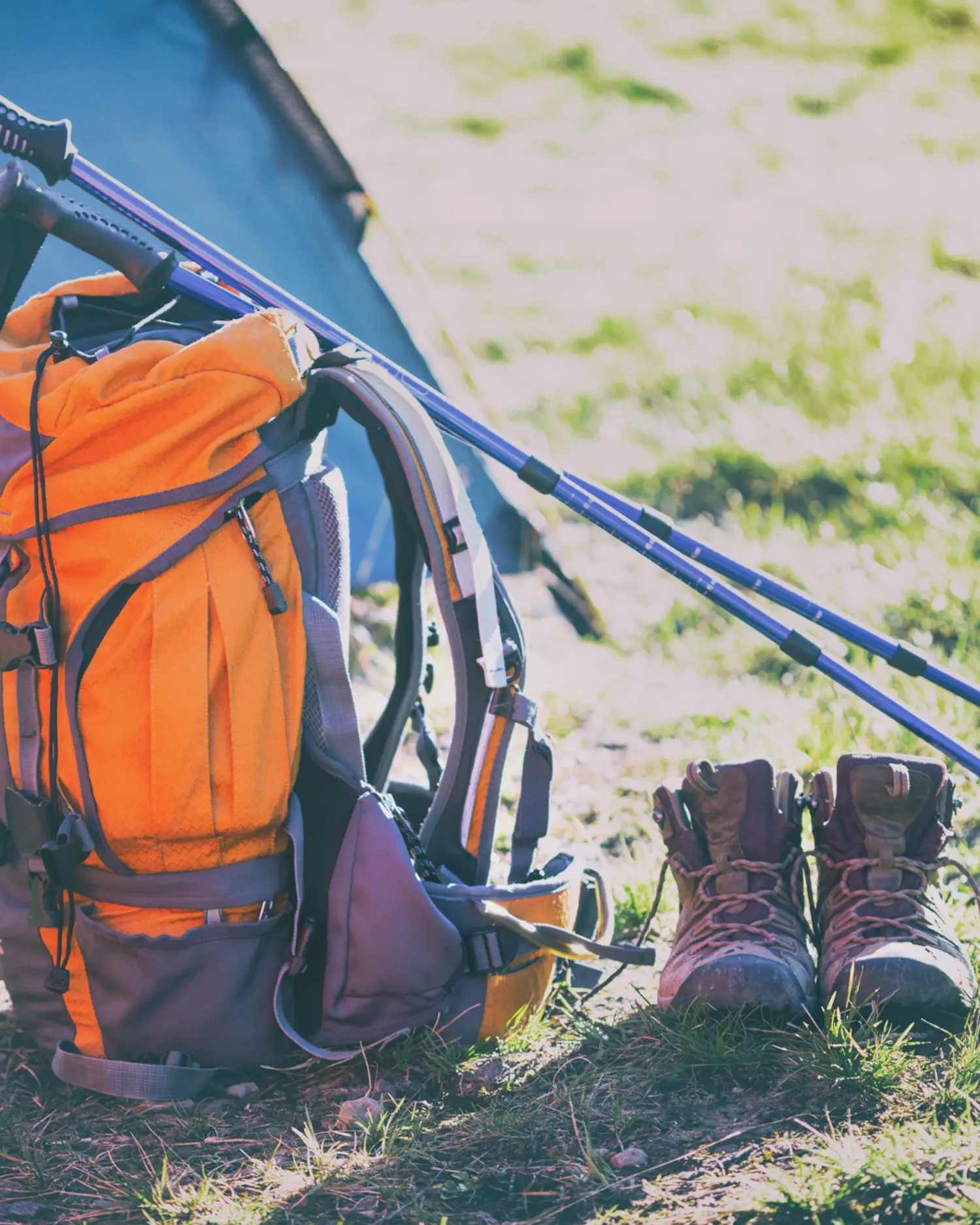
How to Organize and Clean Your Hiking and Adventure Gear?
Organization and cleanliness: essential actions to avoid damage and stress when packing your backpack for the next trail!
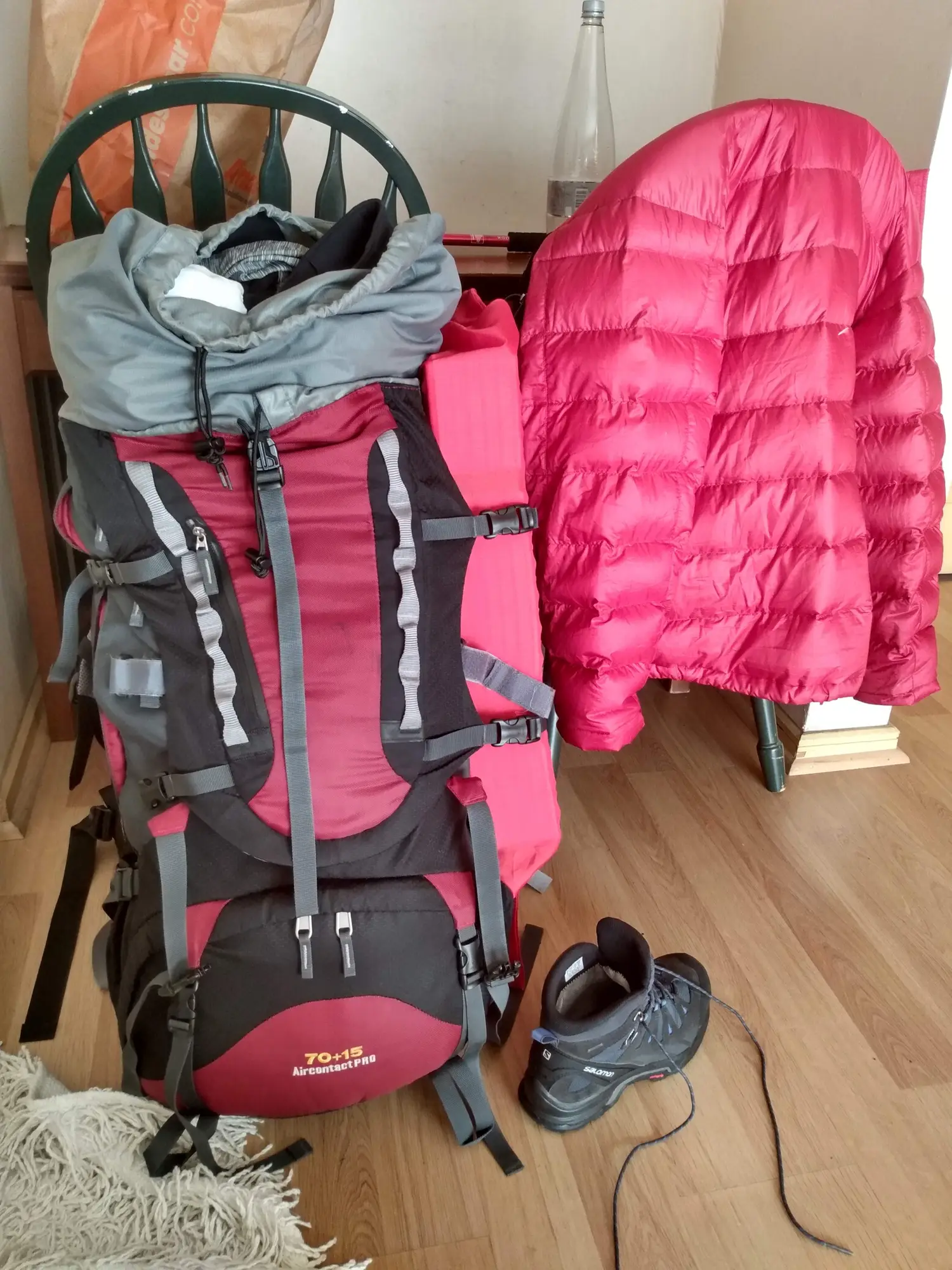
Every great adventure begins with planning! Having an intelligent routine for cleaning, checking, and storing your gear after each outdoor activity protects it from mold, damage, and wear. In addition to preserving your investment, keeping everything well organized at home reduces the stress of preparation and speeds up the setup for your next adventure!
Cleaning and Drying: The First Step Before Storing!
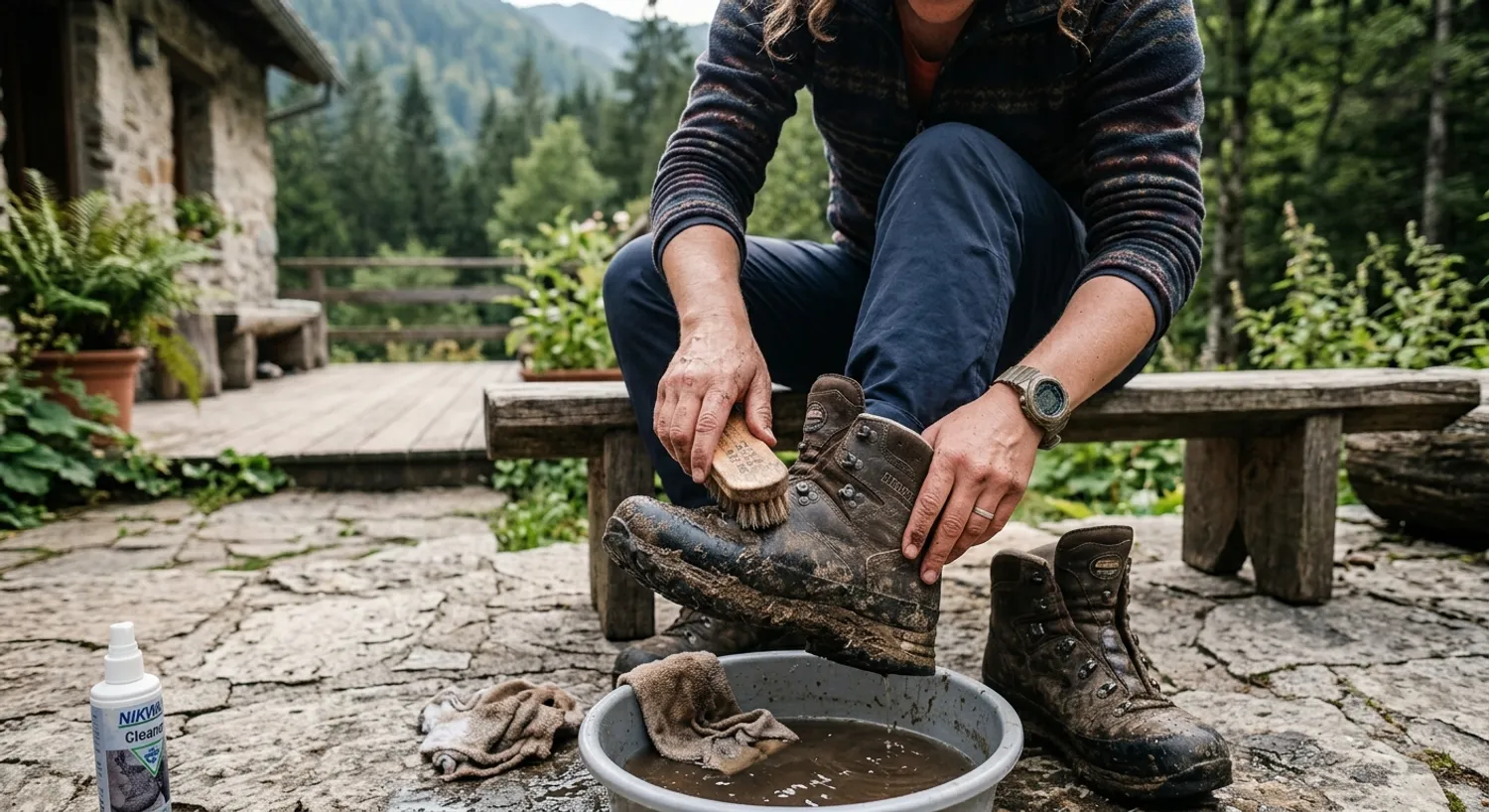
The number one rule after a hike is categorical: wet or dirty gear never goes into the closet!
As soon as you return home, perform a thorough cleaning of mud, sand, dust, and food residues, ensuring that each piece is completely dry before being stored.
The maintenance of your gear depends on this discipline, which should be a continuous process: at the end of each expedition, you inspect, clean, dry, and organize everything you took with you on the adventure, even if it wasn't used. Incorporating this routine of cleaning and care, including checking the place where the items are stored, ensures that everything will be ready for the next hike.
Starting to organize your gear: separate by categories!
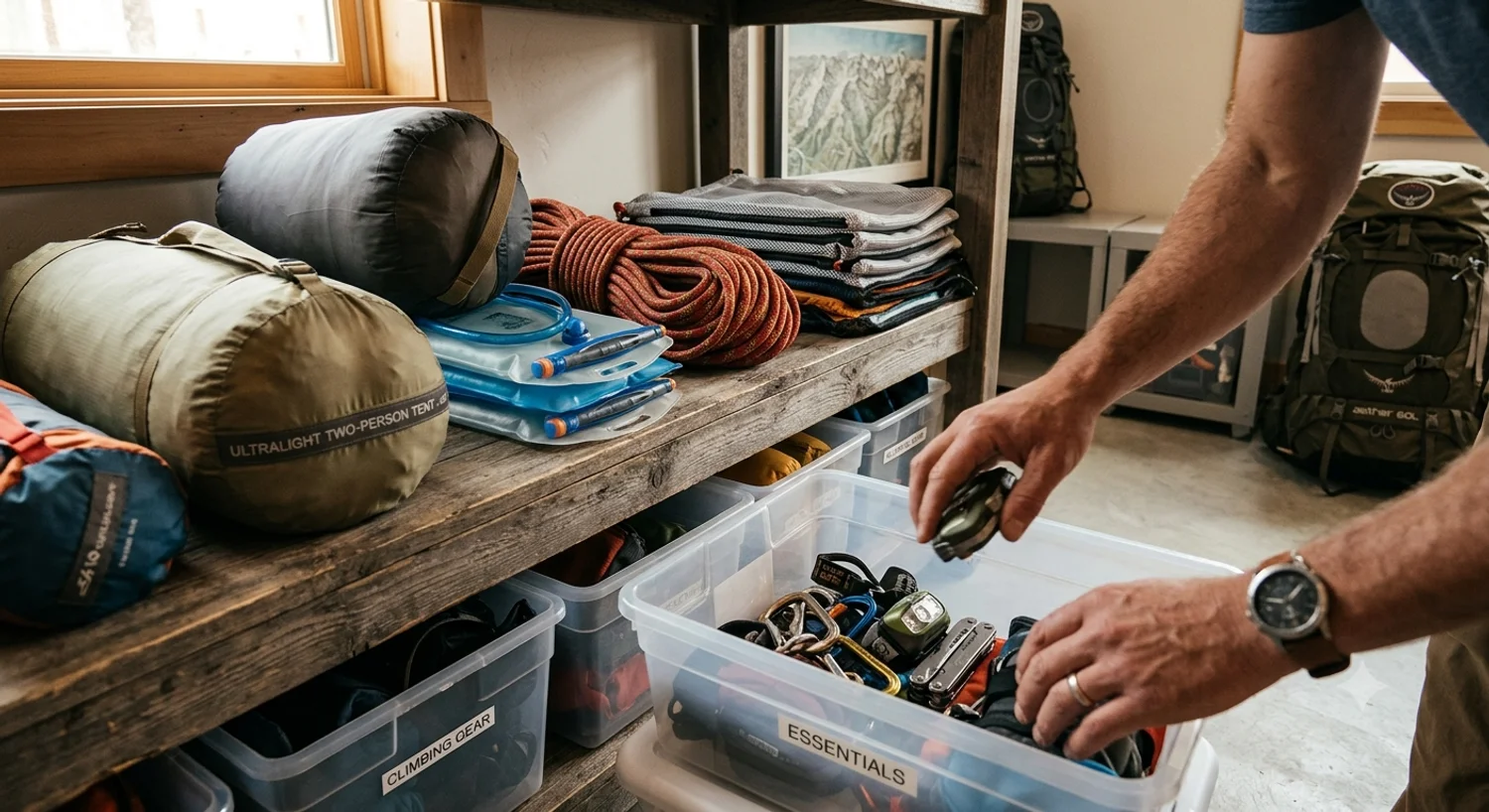
With all the gear clean and 100% dry, it's time to get your house in order. To avoid getting lost in the mess, the most efficient method is to categorize the items into two fronts: - Strategic and Multi-use: those versatile items present in almost all outdoor activities (backpack, tent, sleeping pad, flashlight, jacket, etc.). - Segmented by Sport/Activity: specific materials for activities such as cycling, climbing, etc.
From this initial division, organize everything into categories. In the multi-use group, group the equipment for the sleep system, cooking, hydration, backpacks, dry bags, and camping essentials (first aid kit, flashlight, and hygiene). In the segmented group, create subsets related to each practice — such as cycling, mountain running, climbing.
Did you find something sitting around while sorting the gear? It's common to accumulate junk that hardly gets any use. If you have materials sitting in the closet, take this moment to let go: sell or donate. Besides freeing up space on your shelves, you simplify your system and get the gear into the hands of those who need it.
Cleaning cabinets and shelves protects your equipment!
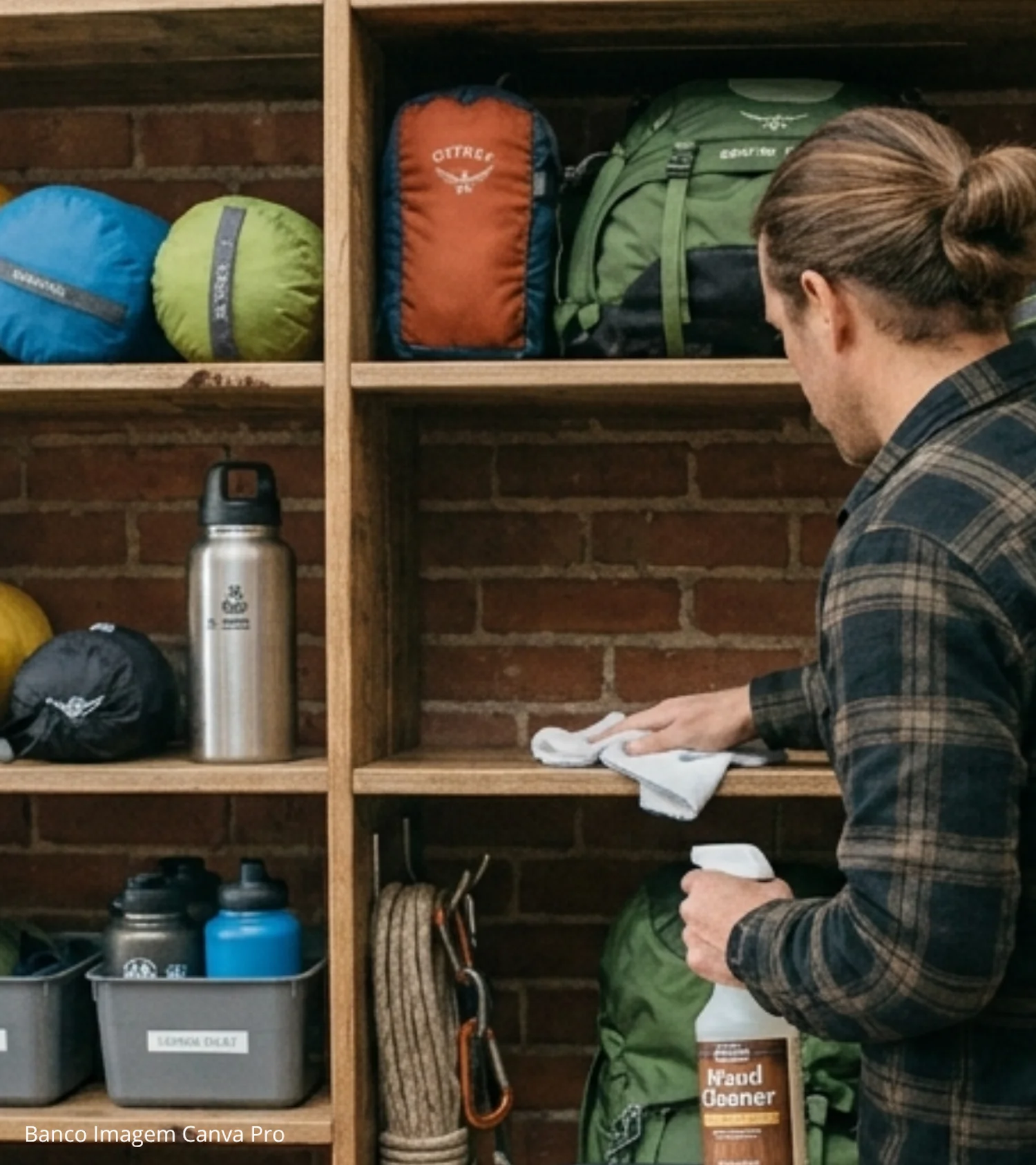
It is of no use to clean boots and sleeping bags if the storage area is in poor condition. Before storing any item, clean drawers, boxes, cabinets, and shelves. This initial care is the best opportunity to check for moisture, leaks, or the presence of insects.
- Keep a periodic maintenance calendar: from time to time, do a thorough cleaning of the space, and on a daily basis, just quick inspections. This simple habit prevents mold problems from settling in without you noticing.
Attention to detail: after cleaning the space with damp cloths or cleaning products, leave doors, drawers, and boxes open until everything is 100% dry. Storing materials in still damp compartments compromises all the work done so far.
Storage Boxes: More Agility and Practicality in Organization.
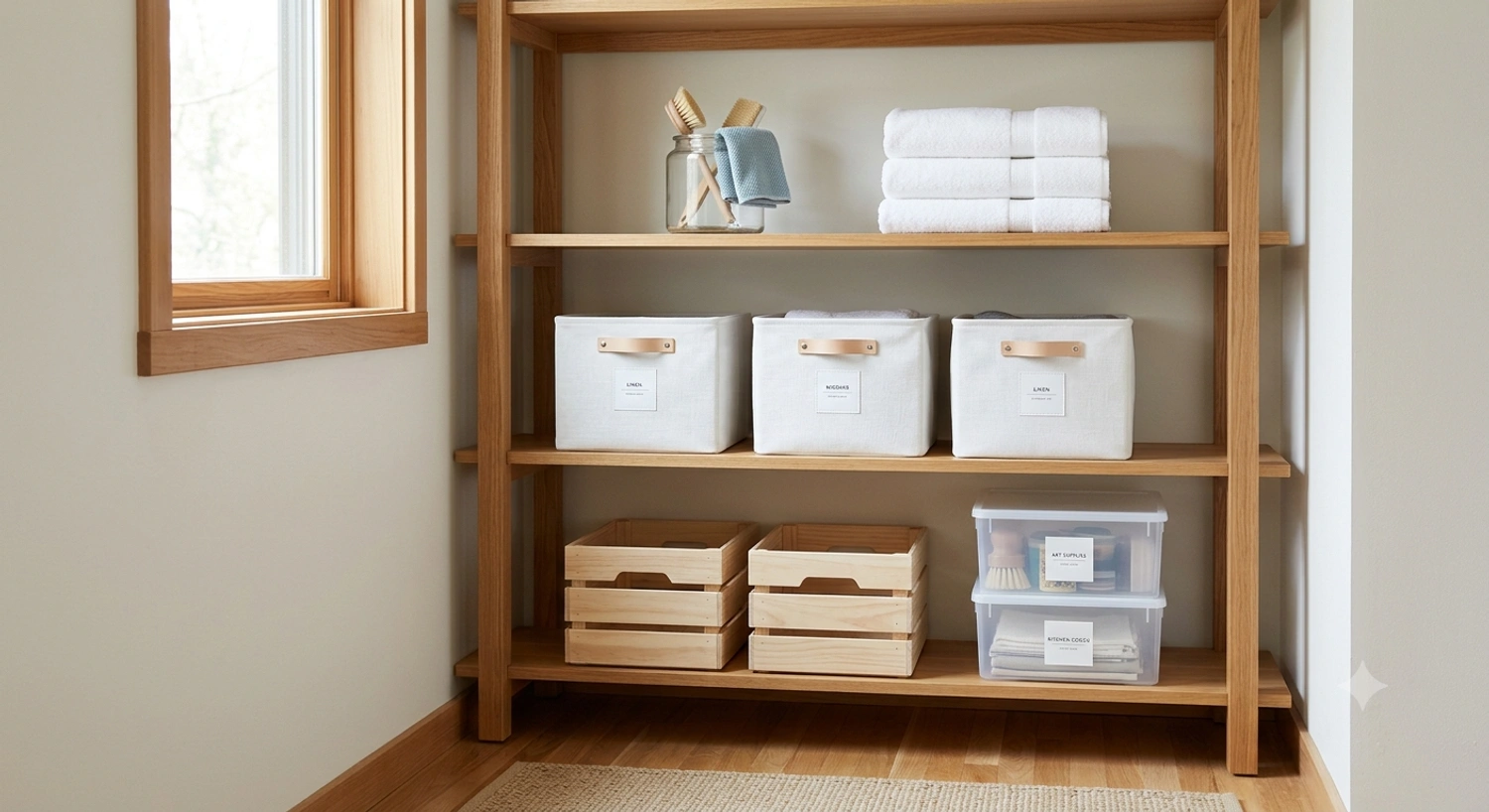
Plastic boxes with lids, preferably transparent, are unbeatable allies in storing smaller items. In addition to protecting against dust, they allow for quick identification of contents without the need to open box after box — which becomes even easier if you use organizing labels.
The best strategy is to dedicate a separate box for each category. When it comes time to pack your backpack for the next adventure, finding the right gear, such as the headlamp or the cooking kit, becomes much quicker knowing that everything you need is concentrated in optimized locations.
- Practical planning tip: measure the height, width, and depth of your shelves before going shopping. This prevents you from buying organizing boxes that do not fit in your cabinet.
How to store merino wool, jackets, and sleeping bags without damaging them: The type of fabric and the filling of the equipment determine how it should be stored:
- Merino wool clothing and rarely used backpacks: can be compressed in vacuum bags during months of non-use, safely reducing volume in the cabinet.
- Sleeping bags and thermal jackets (down or synthetic): should be kept relaxed, either hung or laid flat on a spacious shelf.
Golden rule: compression bags are only for optimizing volume inside the backpack during the hike. Keeping sleeping bags and jackets continuously compressed in the cabinet crushes the fillings and breaks the fibers, destroying the thermal insulation capacity of the equipment (the expansion of the fibers becomes irreversibly compromised).
Optimize the organization of your hiking gear!
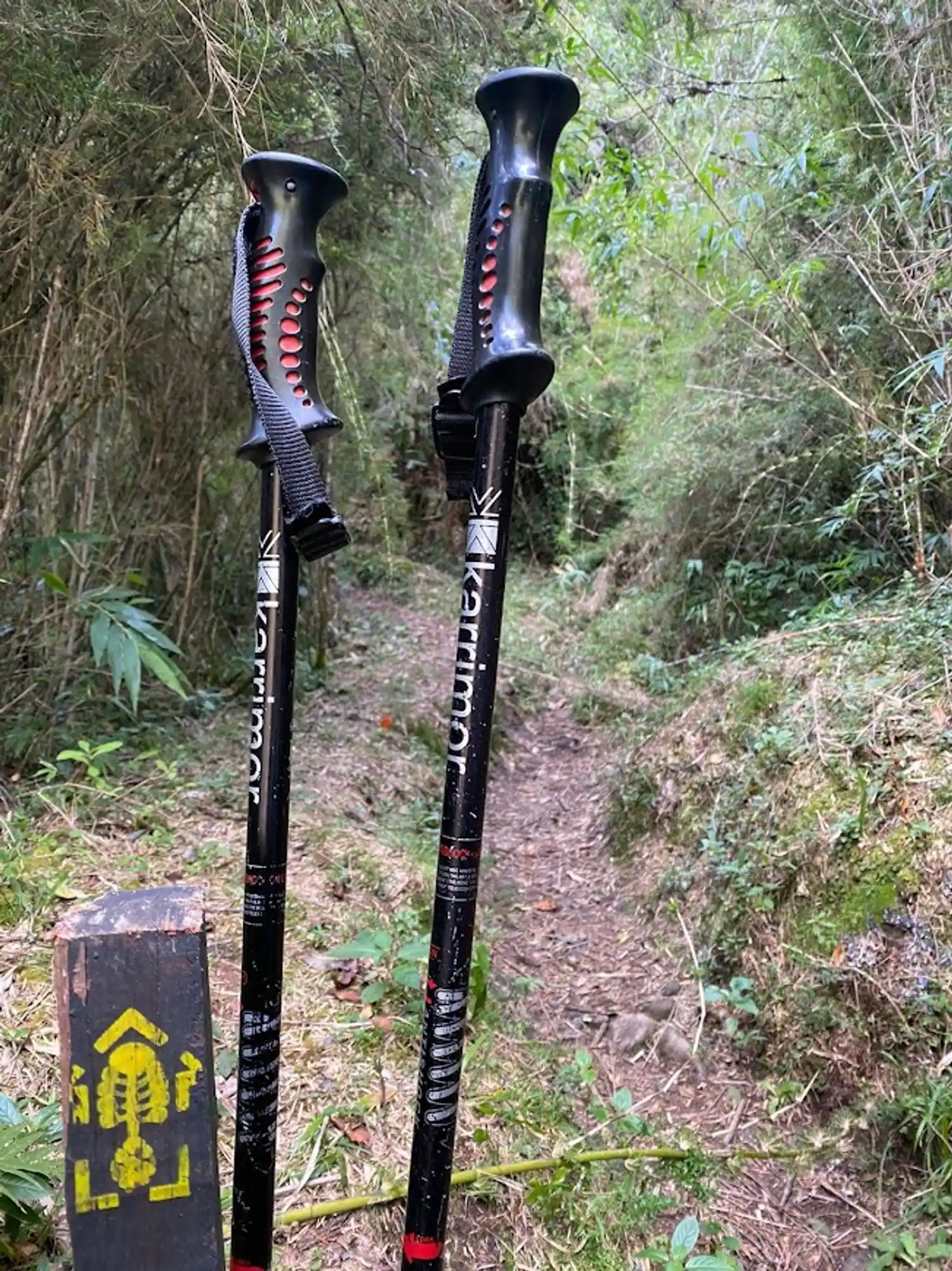
Organization of Long Equipment:
Avoid leaving trekking poles, tripods, and paddles scattered around. Use a tall basket or vertical holder to store them compactly and accessibly, saving space in your home.
Backpacks:
Empty corners and vertical spaces are ideal for backpacks. They can also be hung on coat racks, stored inside closets, or placed under the bed, depending on the space you have at home.
Trail Footwear
Hiking boots and shoes require good ventilation. Store them in open shoe racks or airy corners. Remember to clean them first: remove laces and insoles, get rid of any mud or sand residue, and ensure they are completely dry in the shade before storage.
Mold-Free Hydration Systems
Moisture buildup in water bottles and hydration packs is the main cause of mold contamination. Make sure each item is completely dry before sealing and storing. For those who use these containers frequently, keeping a clean bottle filled with water in the freezer or refrigerator is a practical solution that prevents the growth of fungi and other pests.
Technical Clothing and Anoraks
Ideally, keep jackets hung on hangers, which facilitates quick inspection and avoids permanent creases in the fabric. Pants and shorts are best stored on shelves or in drawers. For smaller accessories like technical socks, gloves, hats, and bandanas, use specific drawers to store them.
- Humidity Control: in very humid regions, use dehumidifiers (found in supermarkets) inside equipment cabinets and drawers, replacing them periodically.
- Care When Hanging Anoraks and Heavy Jackets: Thin wire or simple plastic hangers tend to deform the shoulder structure of heavier jackets and anoraks. Prefer structured hangers with wide shoulders, similar to those used for suits.
Climbing Equipment
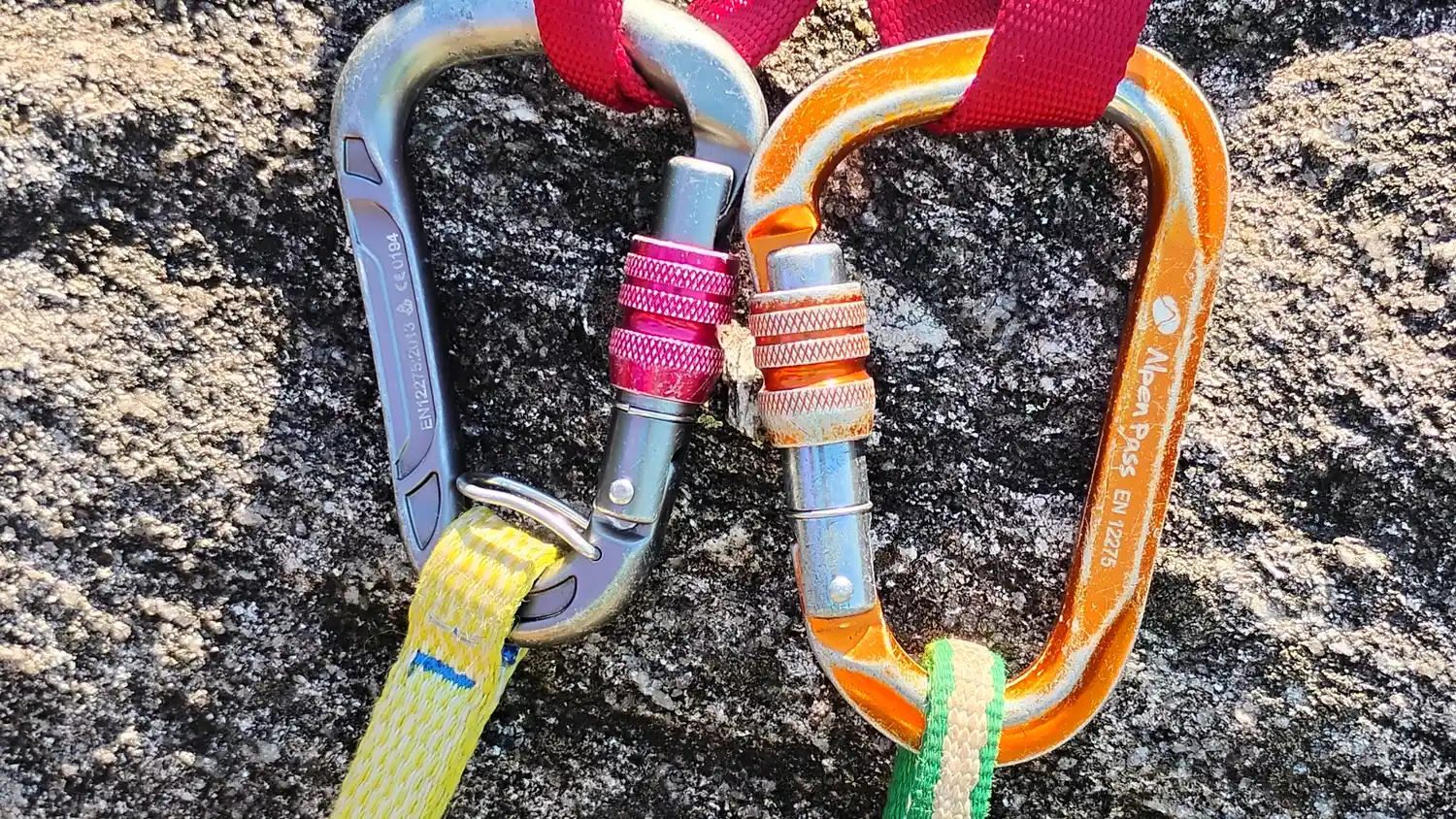
Slings, harnesses, ropes, carabiners, quickdraws, brakes, piolets, and movable protections work very well when stored suspended on panels or hooks. In addition to facilitating a visual check of the rack before and after routes, suspension avoids pressure points. As a general safety rule for textile and metal materials: keep them away from moisture, heat sources, and direct sunlight.
Electronics and Battery Management
Removing batteries and rechargeable batteries from equipment is mandatory before long-term storage. Oxidation and fluid leakage can destroy delicate electronic equipment. Store this type of material in closed boxes with silica gel packets to reduce moisture effects. And don't forget: always check the charge of all devices and set aside spare batteries when planning your next hike.
Million-dollar tips for organizing your hiking gear!
Expiration Date Management
Be attentive to the expiration dates of the items in your first aid kit and food, such as freeze-dried and ready-to-eat meals. Use the "first to expire, first to go" rule: organize the items by placing those with the shortest expiration dates at the front and the newer ones at the back, using them in this order.
Create the Habit of Checking and Airing Out
From time to time, take out clothes, boots, and equipment from where they are stored and let them air out in a dry, shaded location. Take this opportunity to test zippers, check seams, and assess the overall condition of backpacks, tents, sleeping bags, and pads. Making small repairs as soon as a problem arises prevents unpleasant surprises the day before your next trip.
Increased Attention to Humidity
Humidity is one of the biggest enemies of hiking gear. It corrodes electronic circuits, generates mold on fabrics, and can degrade the waterproofing of materials, leaving the resin sticky.
- Store absolutely everything 100% dry;
- Spread anti-mold utensils or dehumidifying sachets in boxes and cabinets;
- The more humid the climate in your area, the shorter the interval should be between inspections.
Well-Cared and Organized Gear: Let's Hit the Trail!
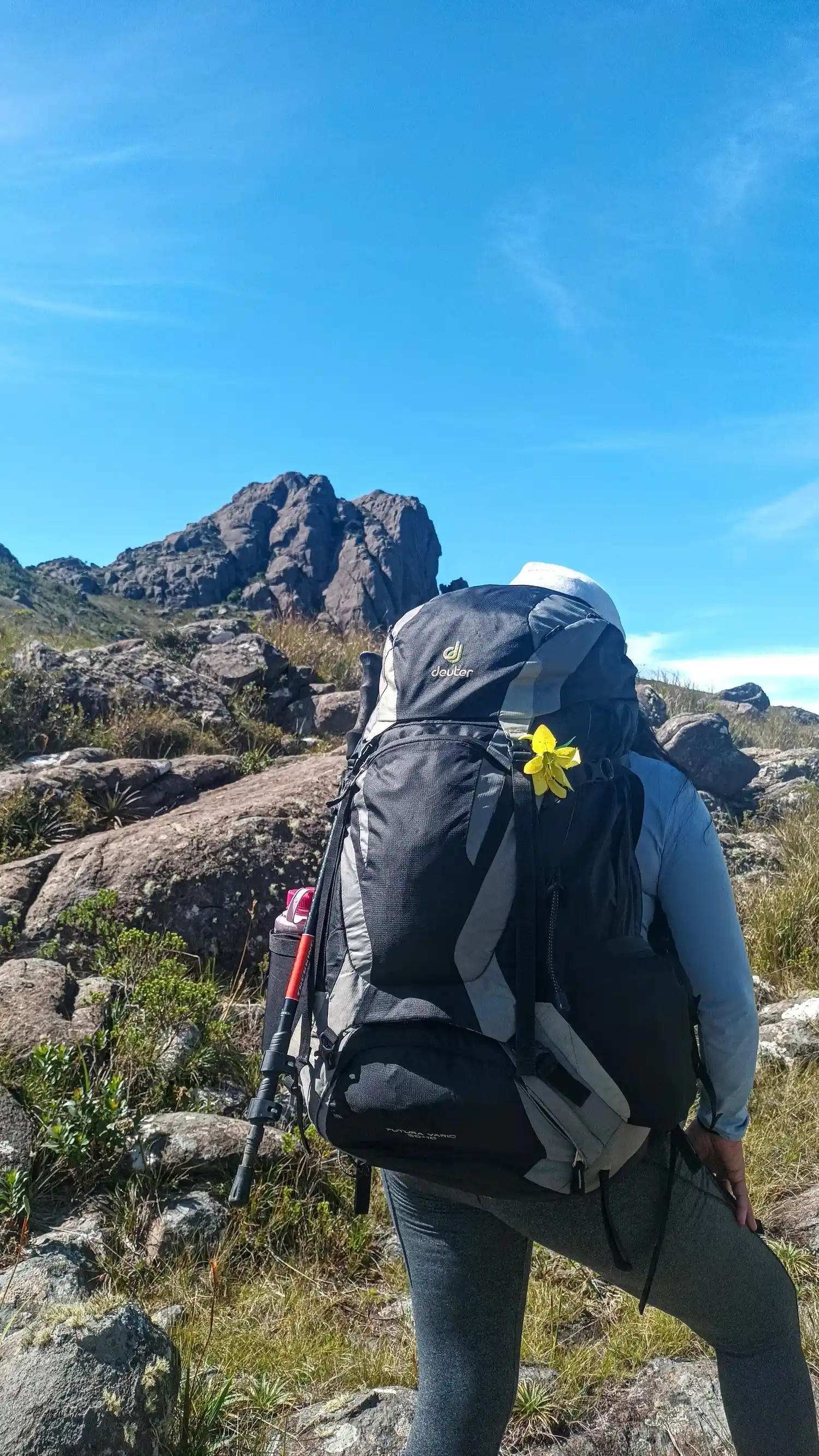
Keeping your hiking gear clean, dry, and well-stored is the true secret to ensuring safe and hassle-free experiences when packing your backpack for the next adventure!
Adopting these small maintenance habits after each hike makes all the difference in ensuring everything lasts for many years and is always ready for the next step.
Now that your adventure partners are taken care of and always ready for use, what’s the next destination on your list?
Adopting these small maintenance habits after each hike makes all the difference in ensuring everything lasts for many years and is always ready for the next step.
Now that your adventure partners are taken care of and always ready for use, what’s the next destination on your list?