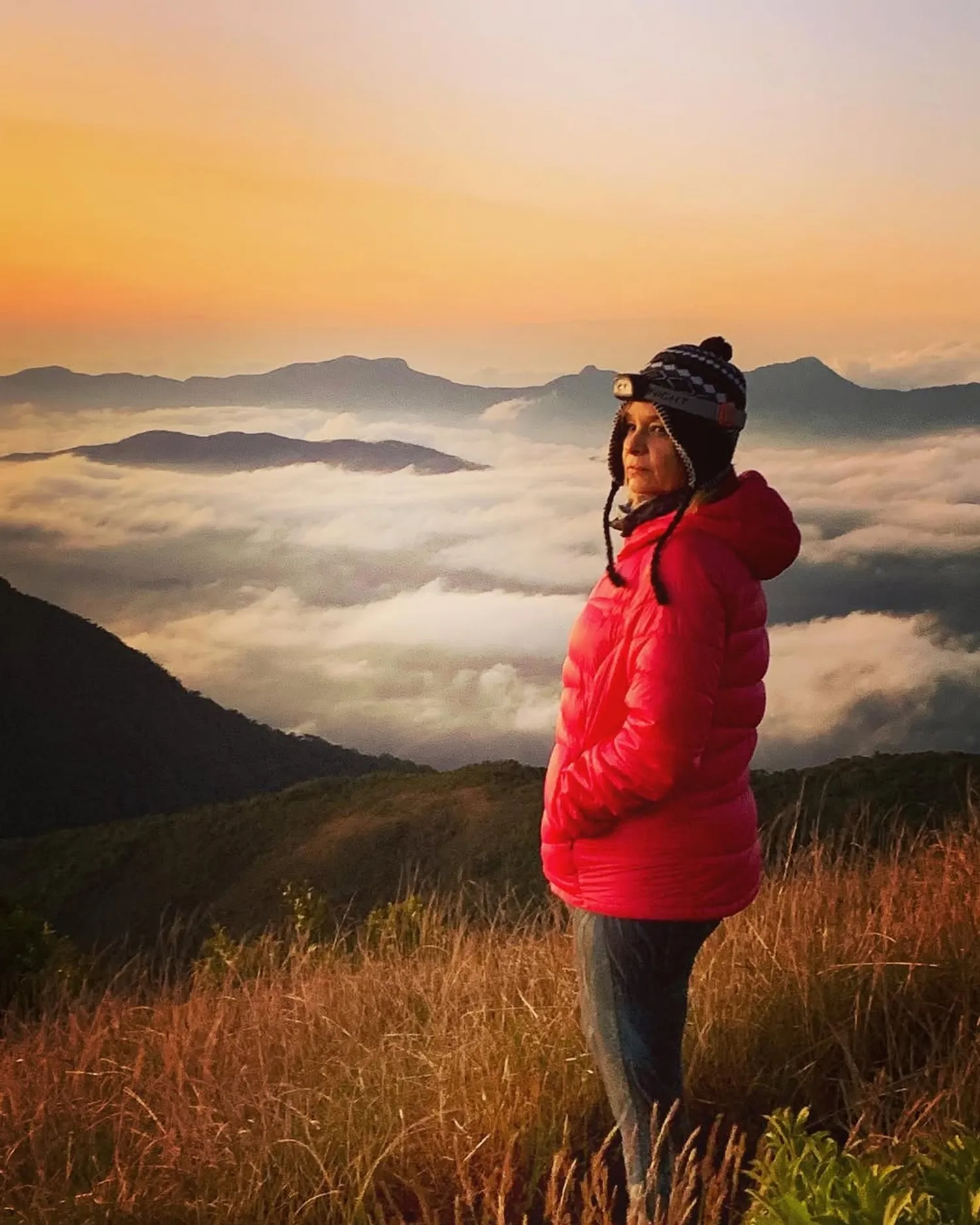
How to stay warm on the trail: discover the Three-Layer System.
Those planning to hike in the cold know that natural areas and mountains do not forgive. During the mountaineering season, the weather changes quickly, and strong winds require strategy. This is where the main question for every adventurer arises: how can you avoid getting cold on the trail without
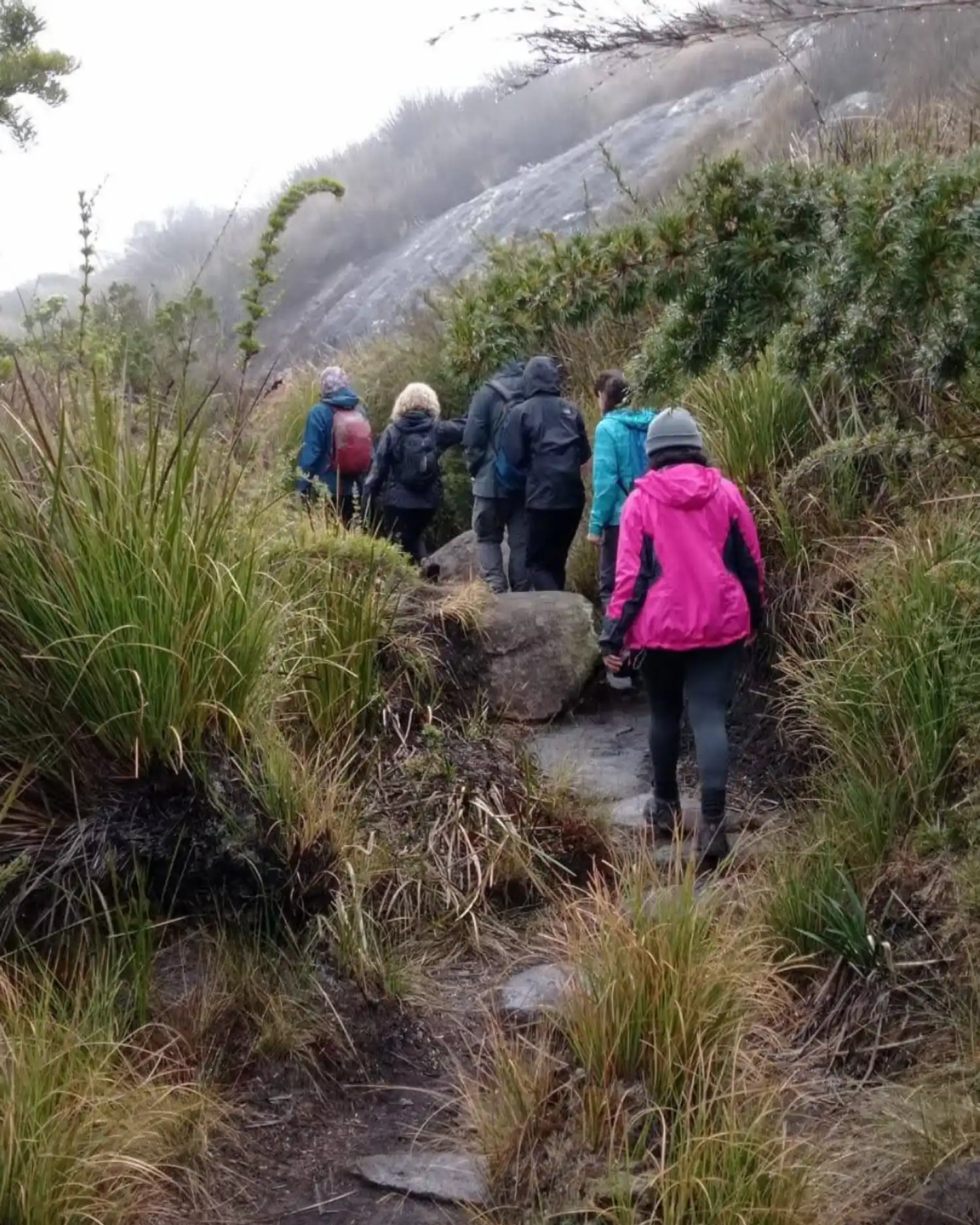
If you've ever felt cold on a hike, even while wearing a heavy jacket, or ended up soaked in sweat halfway up a climb, the problem wasn't the outside temperature; it was the wrong choice of clothing. In this article, we'll show you how this essential technique works to keep your body dry, warm, and protected in any situation in natural areas and mountains. And yes, it gets very cold on Brazilian trails!
What is the Three-Layer System?
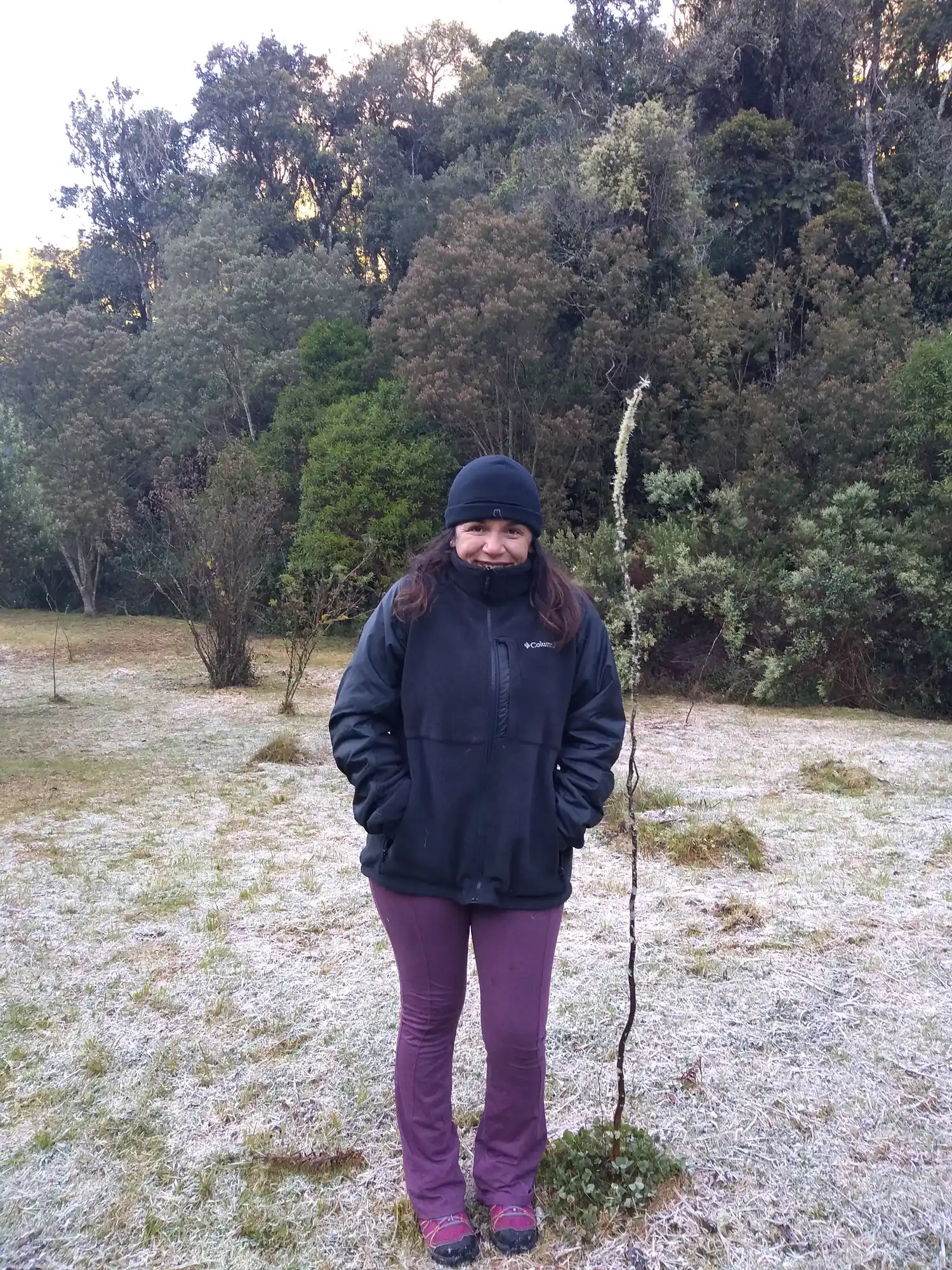
In the outdoor world, the answer to staying warm on the trail and in the mountains is unanimous: know and use the three-layer system! But what exactly is this system that saves us from the cold and rain?
Contrary to what many think, the secret to not getting cold on the trail is not wearing a single super thick jacket, which is often heavy, but rather the combination of different functional layers of clothing. The three-layer system works like a dynamic gear. Each piece serves a specific technical role and works in conjunction with the others. The main goal is to manage moisture caused by sweat and to insulate body heat to maintain warmth.
To ensure maximum efficiency on your next cold-weather hike, see how to structure each part of your clothing!
First Layer: SECOND SKIN

Function: Moisture Management
It is the first layer in contact with the skin, also called a second skin. The main function of this first layer is to wick sweat away from your skin. When we start walking and the body heats up, the tendency is to sweat. If this moisture remains in contact with the body, it will cool you down quickly as soon as you stop, greatly increasing the risk of hypothermia.
- What to wear: the second skin should be made strictly from synthetic materials, such as polyester, nylon, polyamide, typical fabrics of dryfit clothing, or merino wool. They dry very quickly and transport sweat away, essential functions for any clothing that comes into contact with the body;
- Comfort and mobility: synthetic materials with elastane are great for the second skin. They ensure flexibility, along with all the other characteristics. Microfiber and polyamide usually have elastane in trail clothing;
- How to wear: the second skin should fit snugly to the body, like a glove, but without restricting your movements.
Curiosity: Forget cotton! This material acts like a sponge because it absorbs moisture and takes hours to dry. Wearing a cotton t-shirt as a base for a cold weather hike is one of the most dangerous mistakes in mountaineering!
Second layer: WARM-UP.

Function: Thermal Insulation
Once the first layer has moved sweat away from the skin, the second layer of the three-layer system comes into play to retain the heat generated by your own body, creating a barrier against the cold air of the environment. Basically, the second layer prevents internal heat from escaping and external heat from entering the three-layer system while hiking in the cold.
- What to wear: fleece jackets are the most commonly used. This material is excellent because it does not limit body mobility and is lightweight and breathable. Natural or synthetic down jackets can also be used, offering maximum warmth with minimal weight and volume in the backpack;
- How to wear: it should be comfortable enough to wear over the base layer without restricting arm movement.
Fun Fact: Down jackets are favorites for breaks and camping moments because they trap a lot of air between the feathers, and this trapped air is what insulates against the cold. However, if natural down gets wet, it completely loses its heating ability. If you think it might rain, do not wear natural down jackets.
Third Layer: AGAINST THE WIND AND RAIN
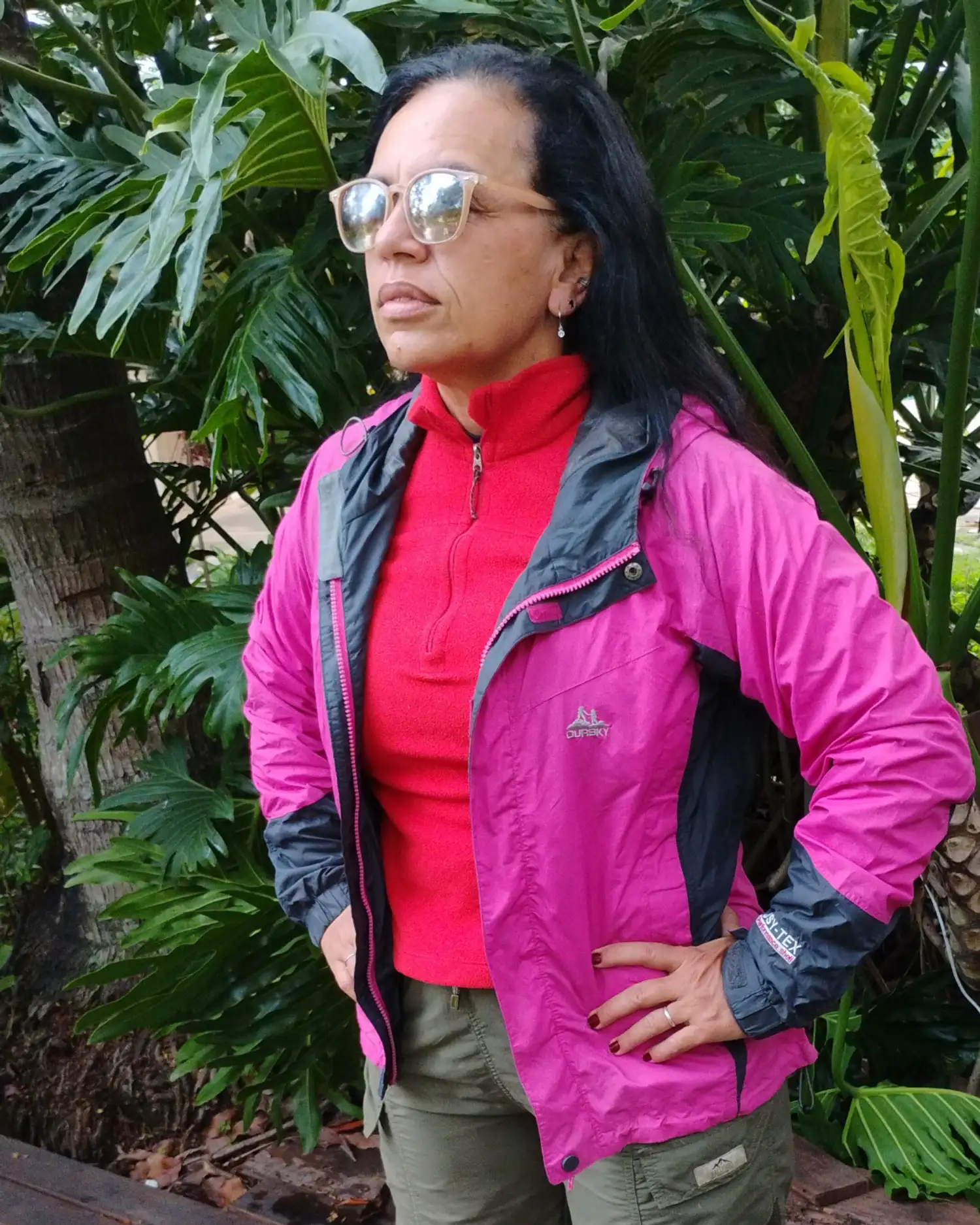
Function: Protection Against Wind and Rain
It is of no use to be dry and warm if strong winds or rain pass directly through your clothes. The third layer is your armor against the outside weather and perfectly completes the three-layer system. It is the outermost clothing to be worn so that you do not feel cold on the trail.
- What to wear: Jackets and coats known as anoraks. Although some are not waterproof, all are windproof. Generally, modern anoraks are waterproof. It is ideal that they always have a hood. Even when waterproof, anoraks are breathable due to strategic cuts in their designs. This prevents condensation.
- Tips: some anoraks come with the second and third layers combined, requiring only the addition of the first layer. Some of these models may have the layers separated for individual use, while others do not.
- How to wear: this layer needs to be a bit looser, as it should cover all the others without compressing them, which would reduce the thermal insulation of the second layer and lose its function.
Fun Fact: The best third-layer jackets have technological membranes, such as Gore-Tex. They have micropores that prevent raindrops from entering but allow the vapor from your sweat to escape.
How to adjust the three-layer system?
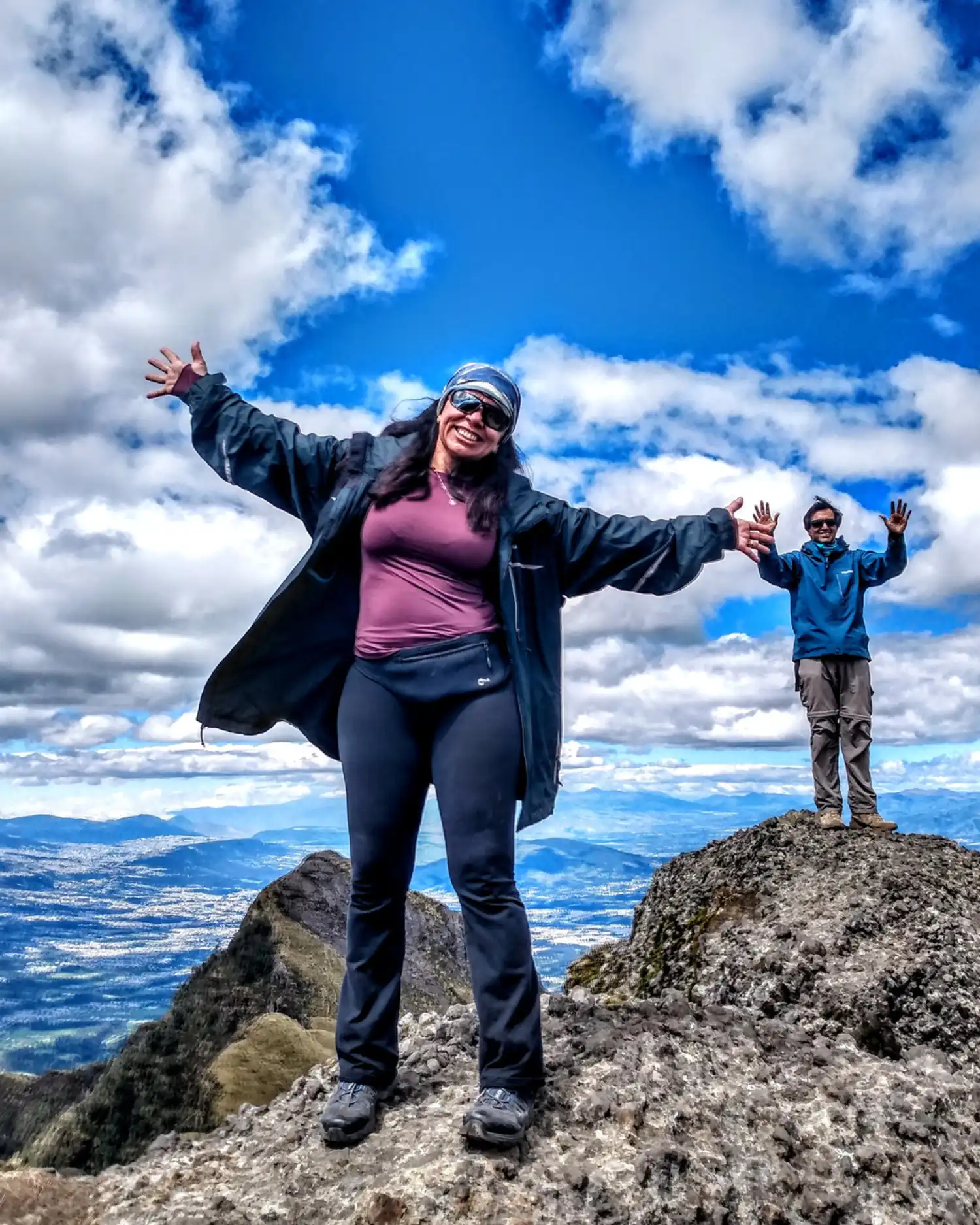
A very common technical error that causes hikers to feel cold on the trail is starting to walk while wearing all their clothes at once. The moving body produces a lot of heat. In very cold places, you can combine different fabrics to increase thermal insulation and bring more comfort by adding or removing layers. A well-used three-layer system transforms any cold adventure into moments of fun without hassles!
Here’s how to manage the three-layer system practically and avoid feeling cold on the trail:
- When starting the trail: you will likely feel an initial chill. Resist the temptation to wear everything. Start only with the first layer and the third layer if it’s very windy. After a few minutes of walking, your body will naturally warm up, and you can usually remove the third layer.
- During rest stops or at the summit: as soon as you stop walking, your body cools down quickly. This is the exact moment to take the second layer out of your backpack and put it on immediately, before you start feeling cold due to the local wind.
- Don’t forget: down jackets are not recommended as second or third layers in situations with a high probability of rain. When wet, they become a problem, as they cool the body quickly and make you feel cold on the trail.
- Tip: the three-layer system works perfectly when we add the use of hats, gloves, pants, socks, and footwear suitable for the cold climate of natural areas and mountains. For base layers, we also have thermal pants, warming pants, and windproof and waterproof pants.
Don't feel cold on the trail!
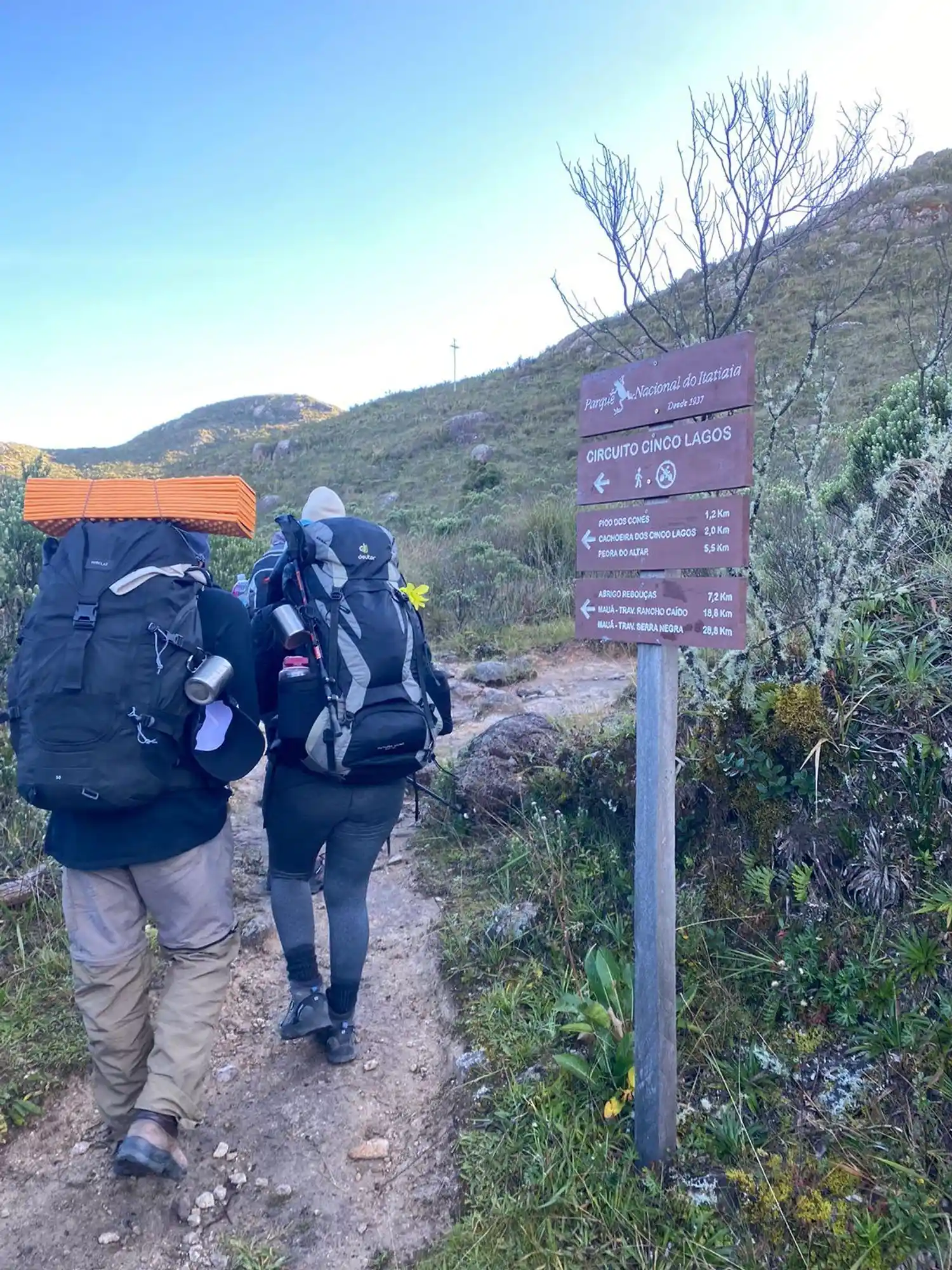
Understanding how to stay warm on the trail completely transforms your experience in natural areas. Instead of suffering from the weather or carrying heavy and unsuitable jackets, the three-layer system offers efficiency, saves space in your backpack, and, above all, ensures your safety.
Before packing your backpack for the next challenge, review your clothing and make sure each piece fulfills its technical role.
Want to plan your next cold-weather hike with complete safety? Follow the tips from the eTrilhas Blog, designed to optimize and enhance your adventures in nature with fun and safety. Discover the eTrilhas app and explore maps, detailed routes, and complete information about destinations and trails in nature throughout Brazil.
Access here: App eTrilhas