Upaõn-Açu (Trecho 11 da Trilha Amazônia Atlântica)

Description
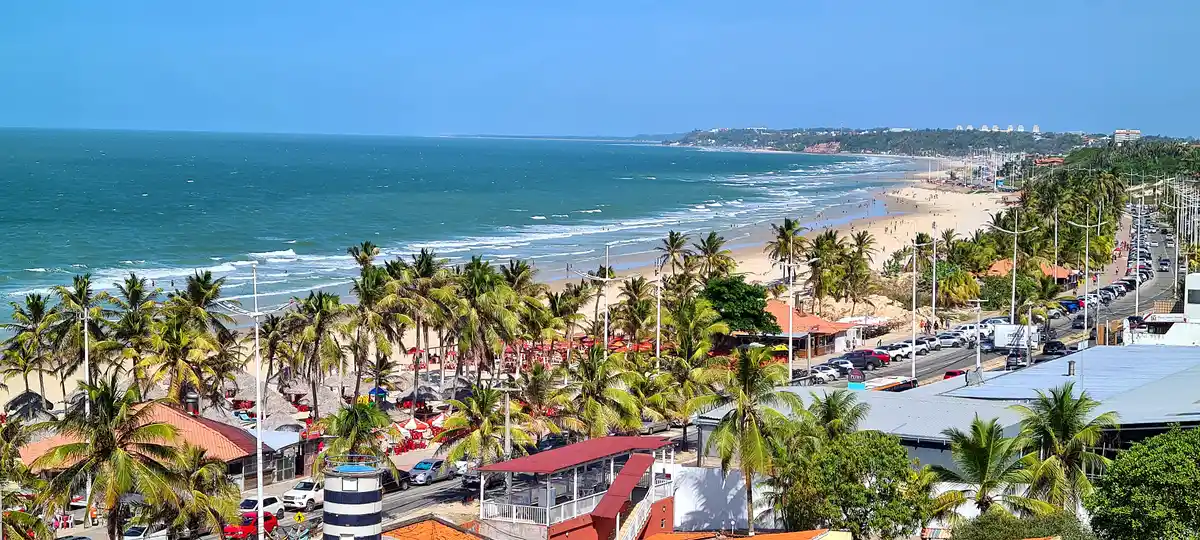
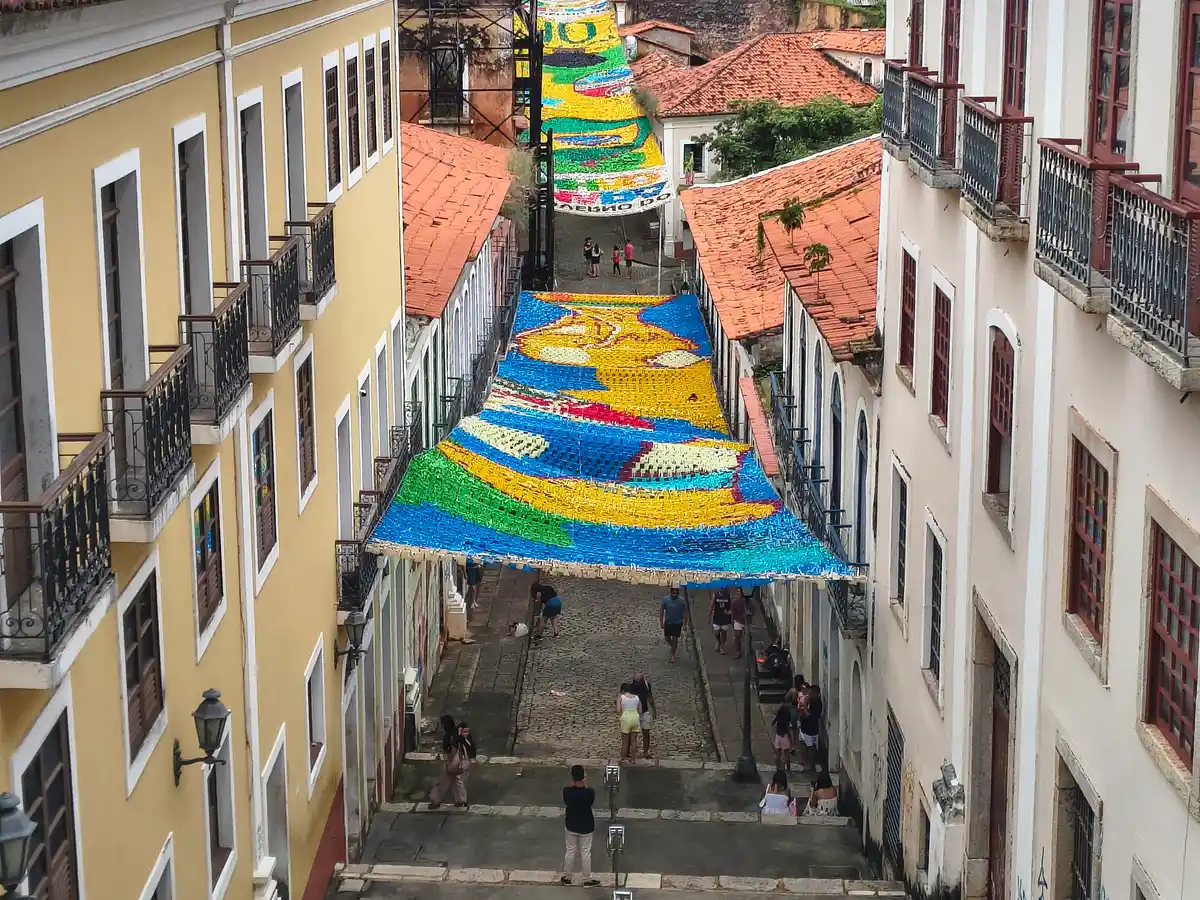
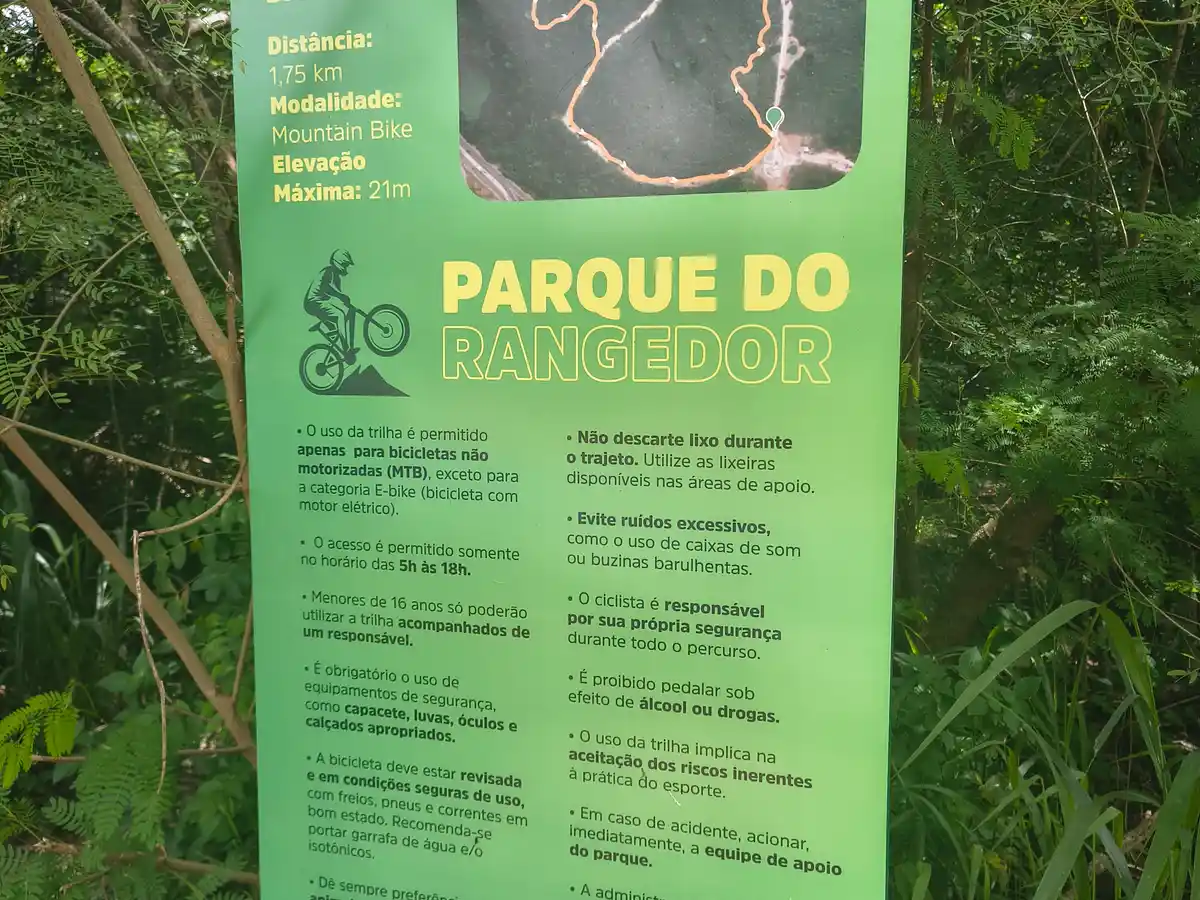
Upaon Açu (“Ilha Grande” of the Tupinambá), where the capital São Luís is located, is the largest maritime island in the country and the most populated of all Brazilian islands. Thus, São Luís becomes the largest city in the so-called Atlantic Amazon, the part of the Amazon coastal zone bathed by the Atlantic. Belém and Macapá, for example, are also in the coastal zone but are fed by freshwater. Additionally, São Luís is the only Amazonian capital in the Northeast. After the expulsion of the French who dreamed of founding a “França Equinocial,” the history of Amazon colonization truly began with the construction of the city of São Luís, from where troops later departed northward, culminating in the founding of Belém do Pará, which then served as a starting point for the occupation of the entire interior Amazon valley. São Luís and the entire island breathe culture in every corner. Gastronomy, handicrafts, religiosity, and the vibrant folklore ranging from the rich Bumba meu boi of Maranhão to the Tambor de Crioula, from Cacuriá to the Bloco Tradicional, along with the literary vein of many of its children. São Luís also offers many natural landscapes, from beautiful beaches to mangroves, as well as parks and conservation units like Itapiracó and Rangedor, where there are marked trails in the forest. We must not forget the vast Luso-Brazilian architectural civil heritage of São Luís, the largest in the country and among the largest on the continent, which has also been designated a UNESCO World Heritage Site - the first Amazonian city to hold this title - as in the year 2026, the Theaters of Belém and Manaus were also recognized by UNESCO. The adaptation of Portuguese architecture to the conditions of the rainy, hot, and humid equatorial climate has given rise to a city unique on a global level, whose greatest star is the facade tile work, which also adorns many facades of the historic mansions of the city of Alcântara and Belém do Pará, the latter being the second most tiled city in the country. The affinity with Belém dates back to the cradle during the time of Maranhão and Grão Pará (which later became Grão Pará and Maranhão). Coastal and Amazonian, São Luís is a somewhat Northeastern Belém, and Belém is a more northern São Luís. Raposa, São José de Ribamar, and Paço do Lumiar – the other municipalities of the great island – also offer attractions in their beaches, mangroves, religiosity, gastronomy, and nautical tours.
Guidelines Extension: 40.84 Km
 Access status: Open
 Difficulty Easy
 Orientation Easy
 Signaling Level NonExistent
 Conservation Good
 Risk Exposure Low
 Sun Exposure High
 Hydration Point Available
 Climbing No climbing required
 Minimum Altitude: 1m Maximum Altitude: 1m
 Negative Unevenness: 1m
 Positive Unevenness: 1m
Tips
Take the opportunity to explore the stunning beaches of Raposo, the rich conservation units, and the fascinating cultural heritage of the region. The Liberdade neighborhood, with its vibrant streets and traditions, the historic center, full of charm and history, and the fine sandy beaches are truly unmissable. Every corner reveals a new experience, from natural beauty to cultural richness, making Raposo a destination that enchants all visitors.
Map
Guidelines
Extension: 40.84 KmDifficulty: EasyOrientation: EasySignaling Level: NonExistentMinimum Altitude: 1m Maximum Altitude: 1m Negative Unevenness: 1m Positive Unevenness: 1m