Travessia dos Lençóis Maranhenses com Barra da Baleia

Description
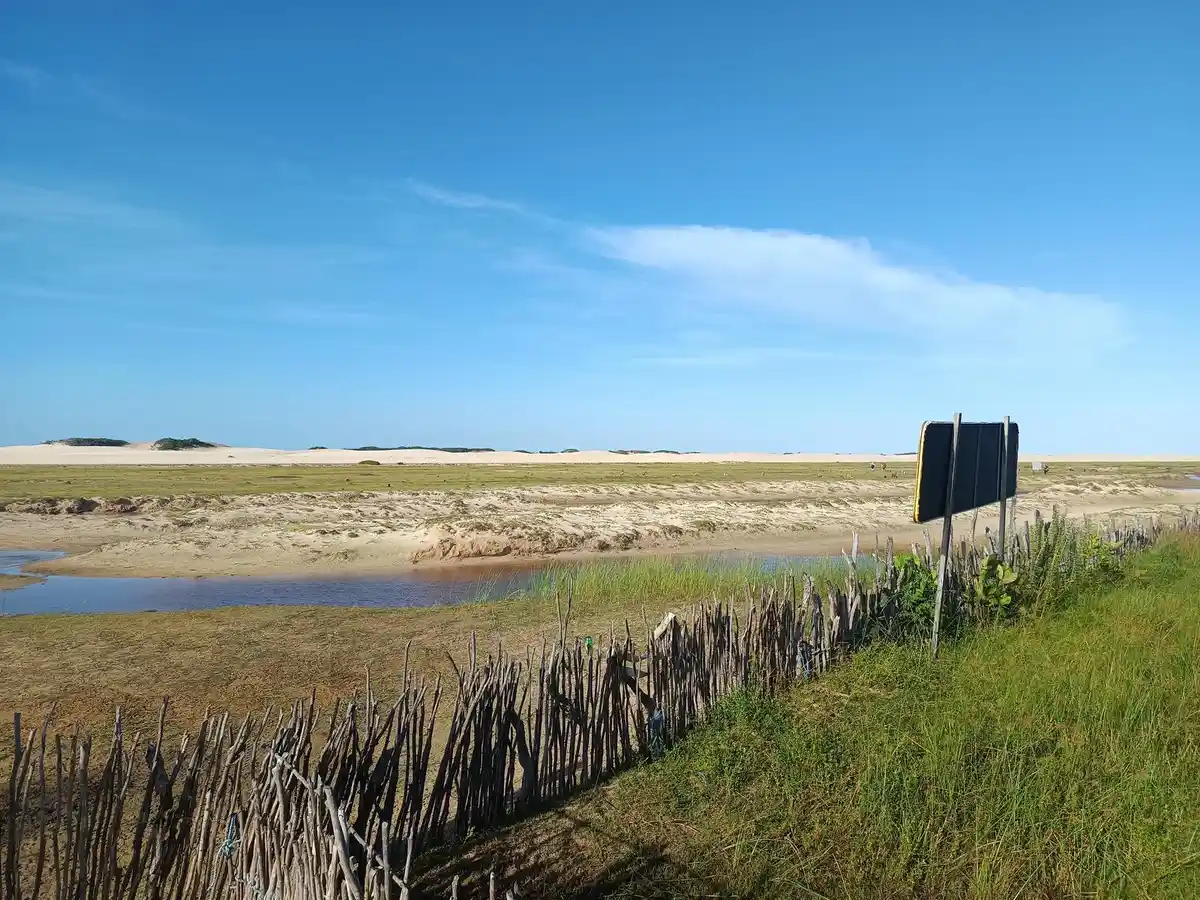
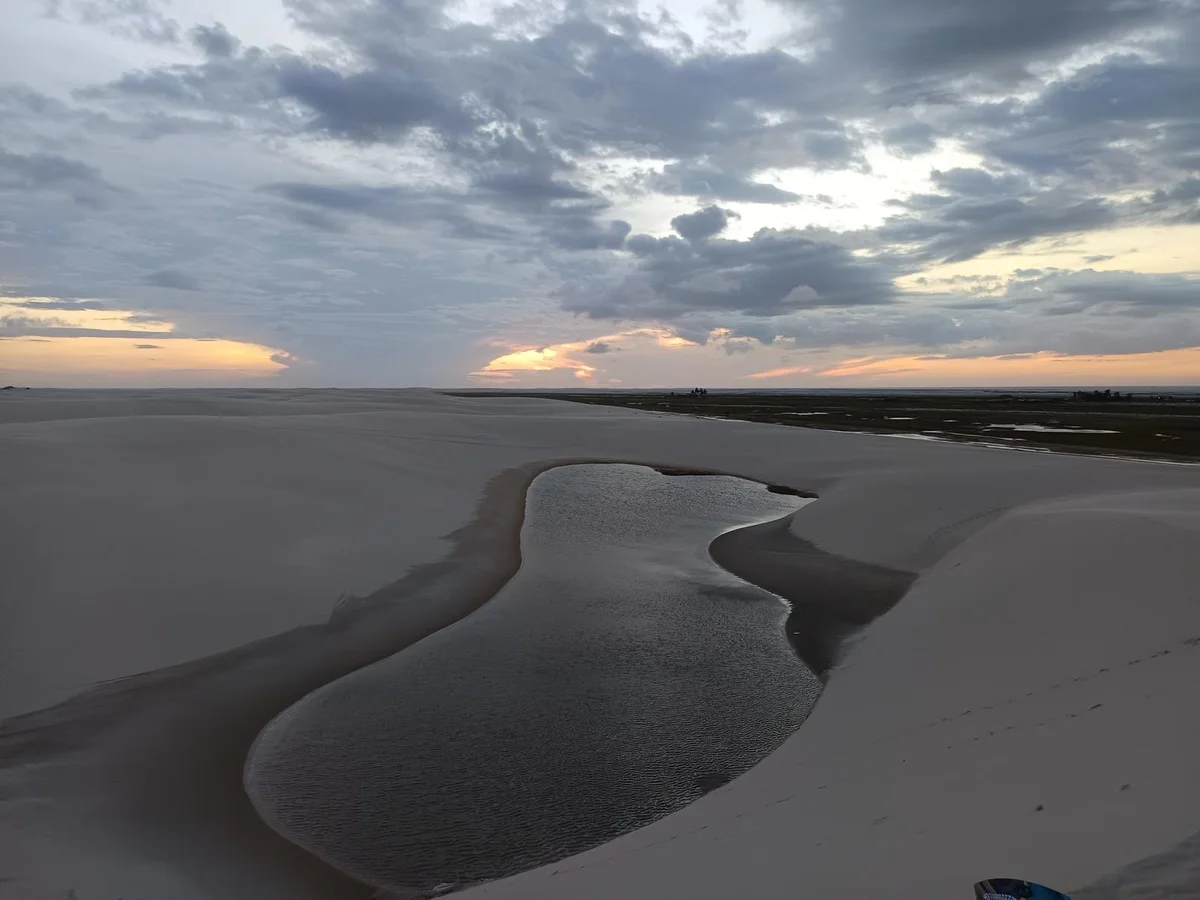
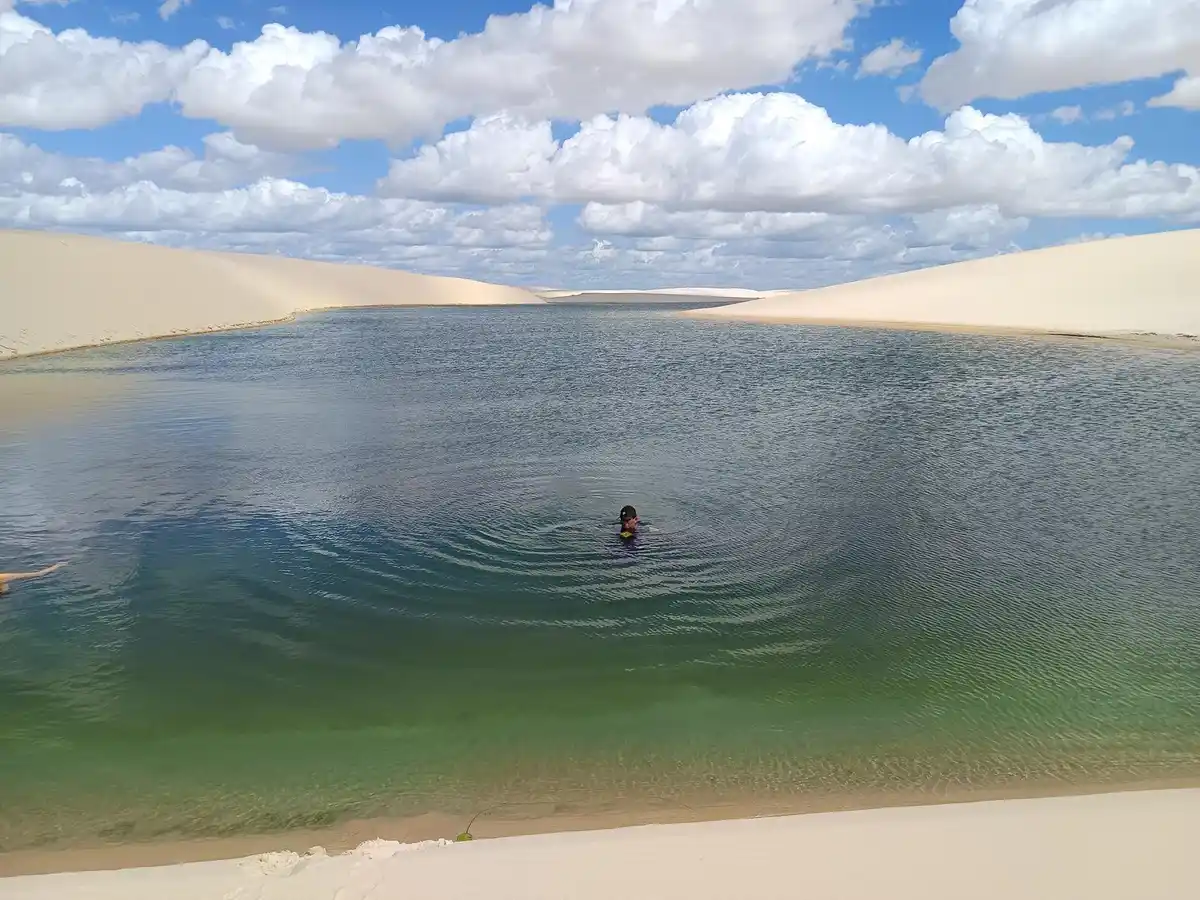
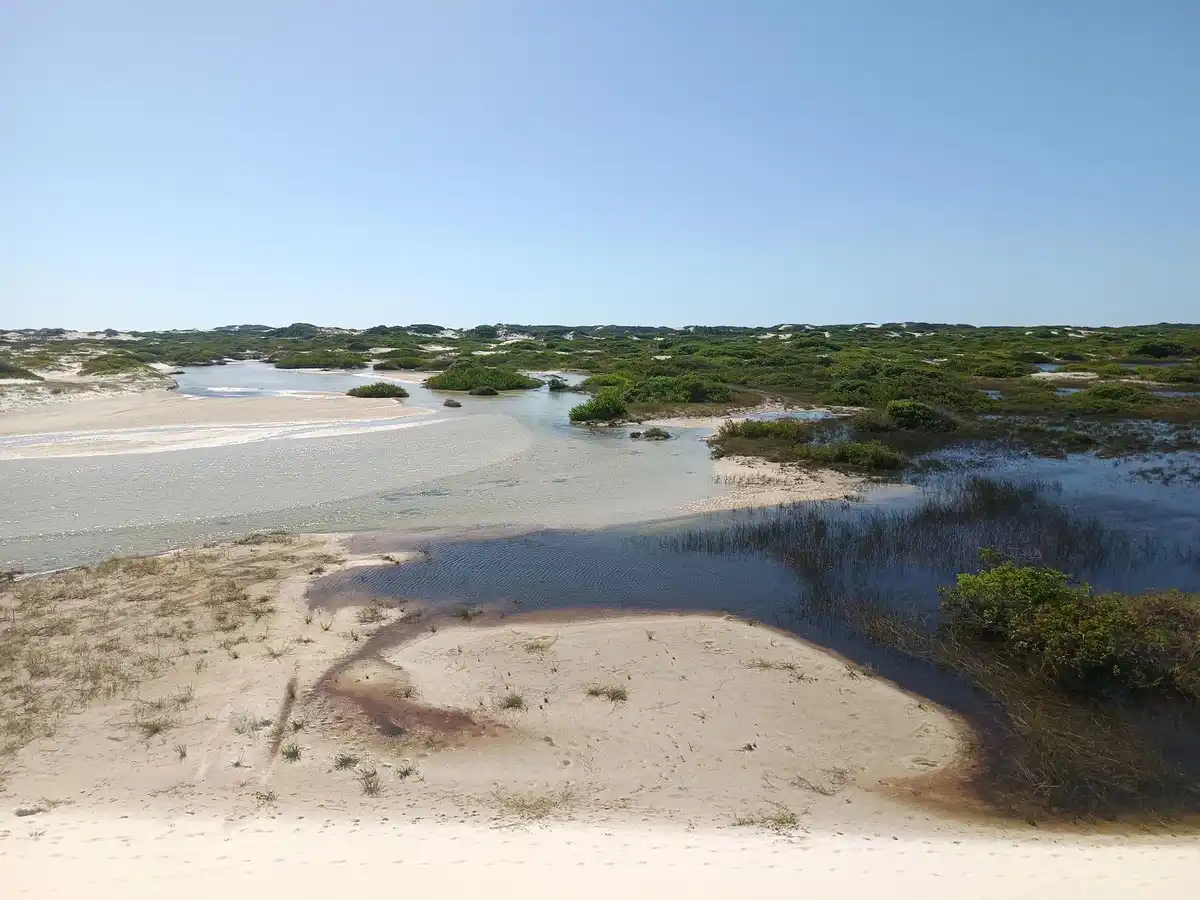
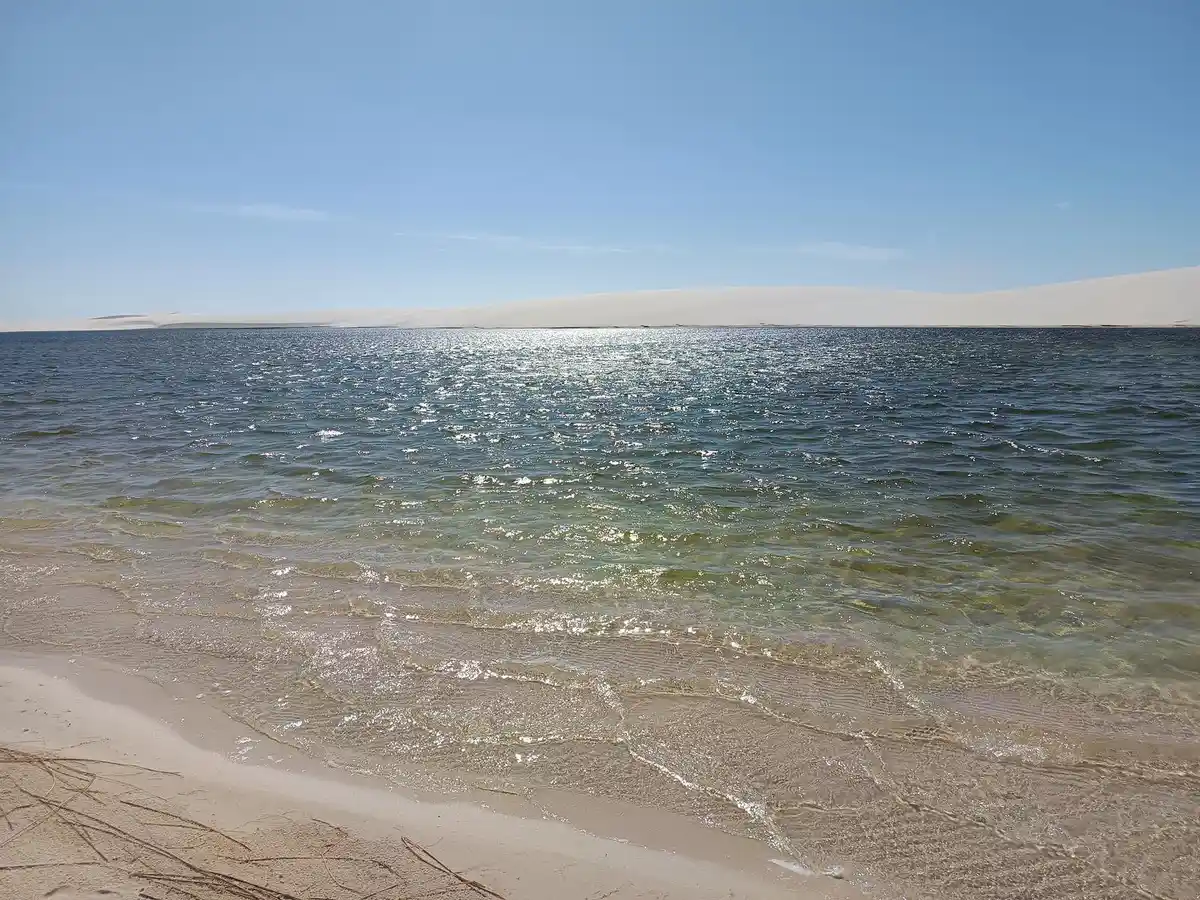
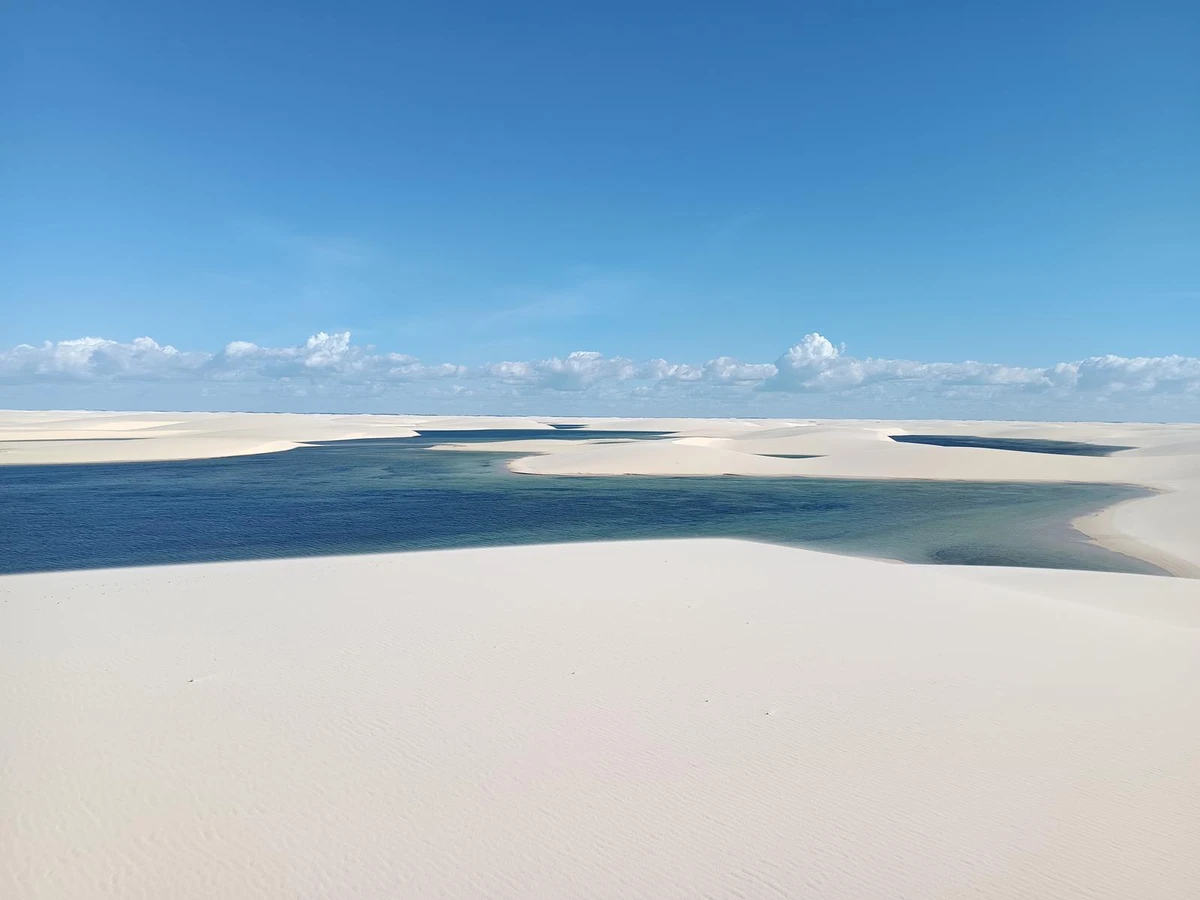
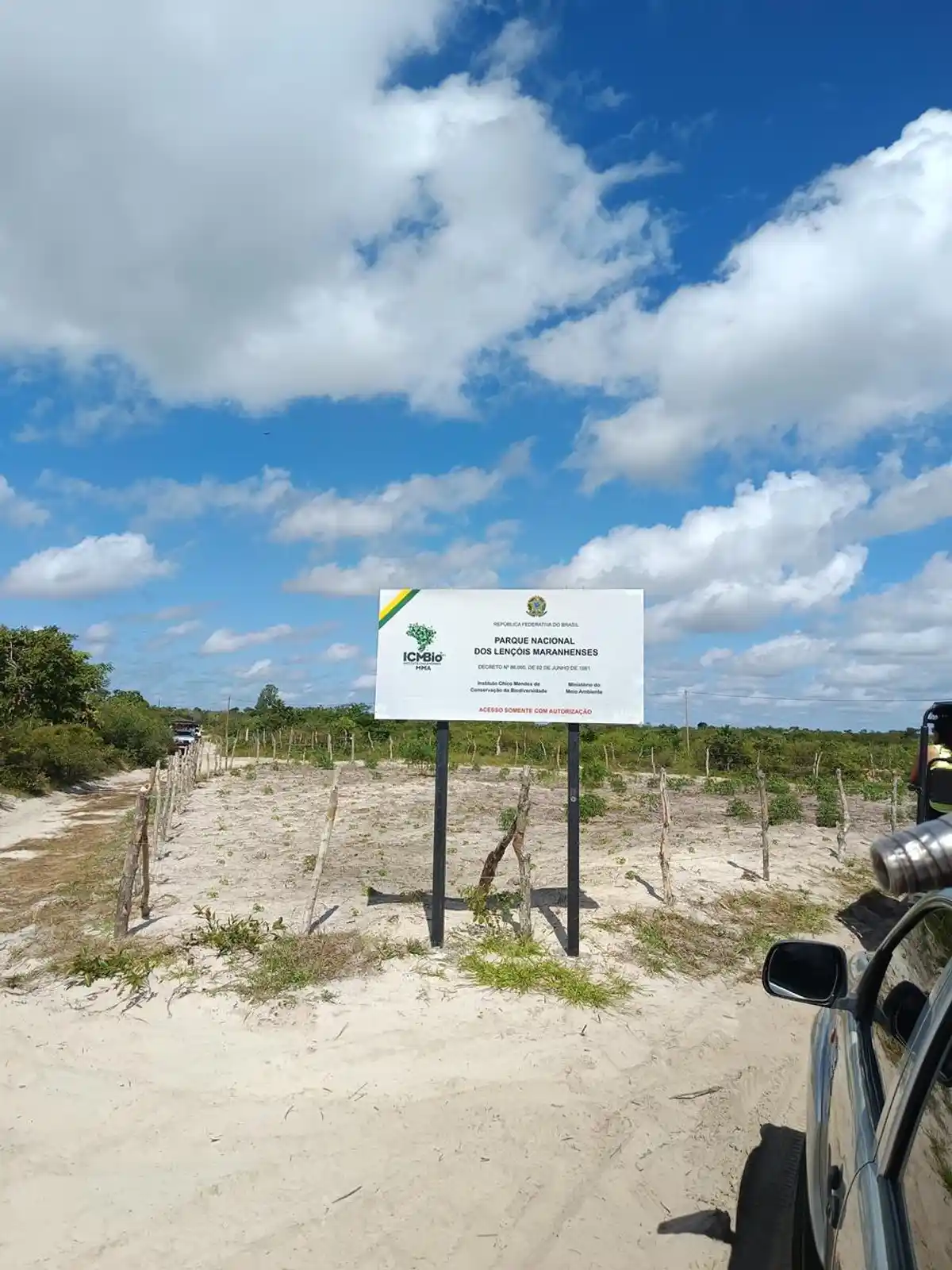
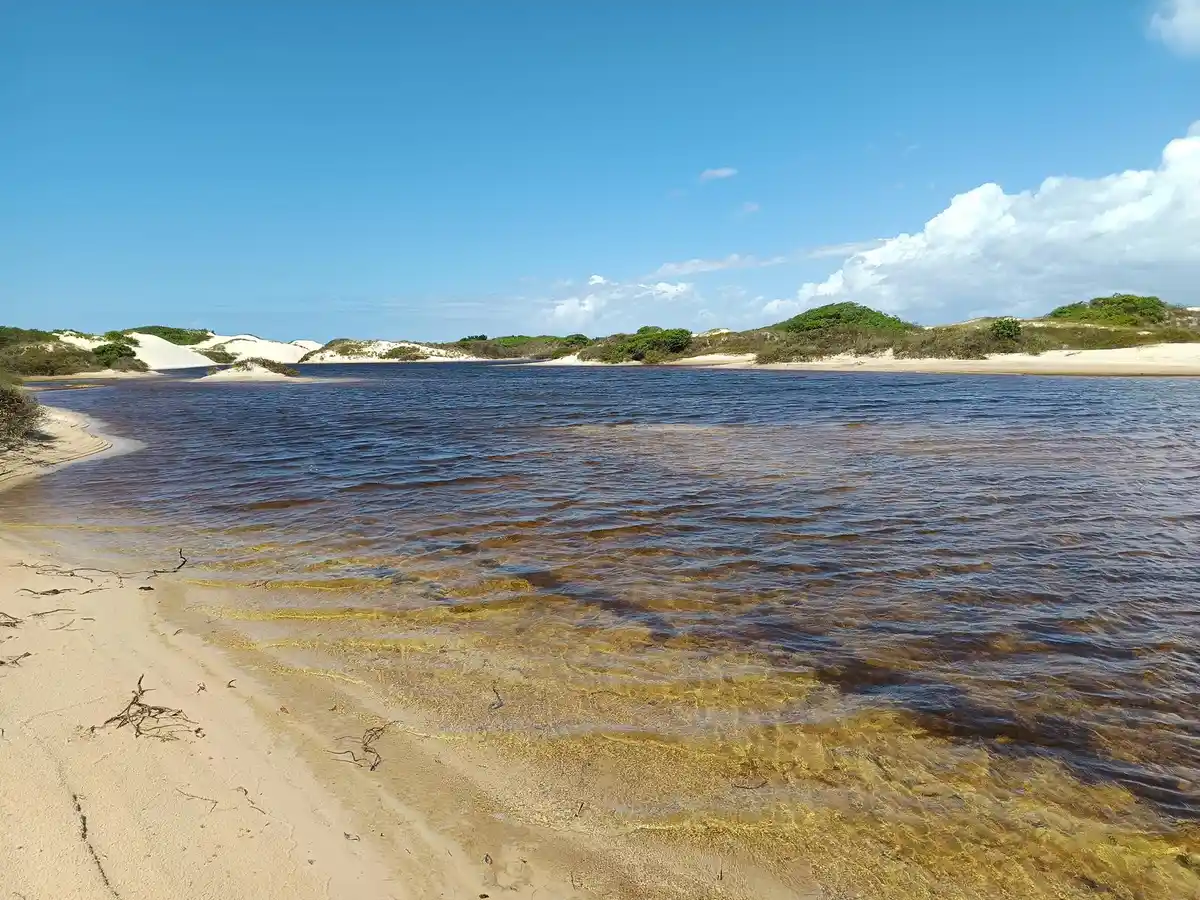
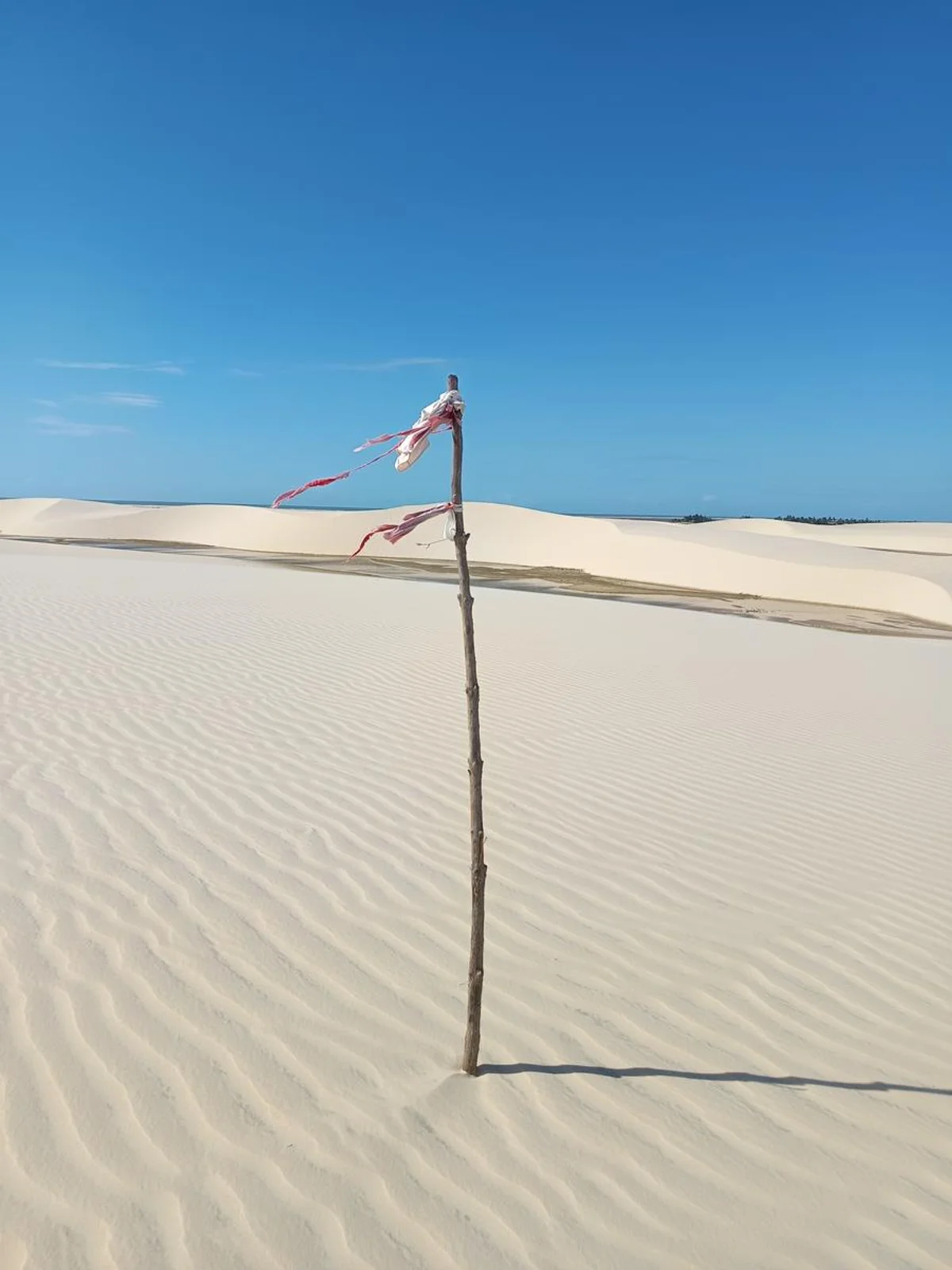
The crossing of the Lençóis Maranhenses National Park on foot is a dive into one of the most fantastic landscapes on the planet. Located on the coast of Maranhão, the Park encompasses the municipalities of Barreirinhas, Santo Amaro, and Primeira Cruz, forming a desert of endless dunes interspersed with thousands of crystal-clear lagoons. The climate in the region is tropical and marked by two well-defined seasons: the rainy season (which fills the lagoons) and the dry season. During the crossing, the sun is a constant presence, but the heat is alleviated by the persistent breath of the trade winds, which cause the dunes to move a few meters each year. Interestingly, the sand does not burn the feet like in other deserts, as it is primarily composed of quartz and reflects sunlight. Photos: Arafat Fontoura
Guidelines Extension: 100 Km
 Difficulty Hard
 Orientation Hard
 Signaling Level Partial
 Conservation Good
 Risk Exposure Medium
 Sun Exposure High
 Hydration Point Available
 Climbing No climbing required
 Minimum Altitude: -8m Maximum Altitude: 37m
 Negative Unevenness: 101m
 Positive Unevenness: 100m
Tips
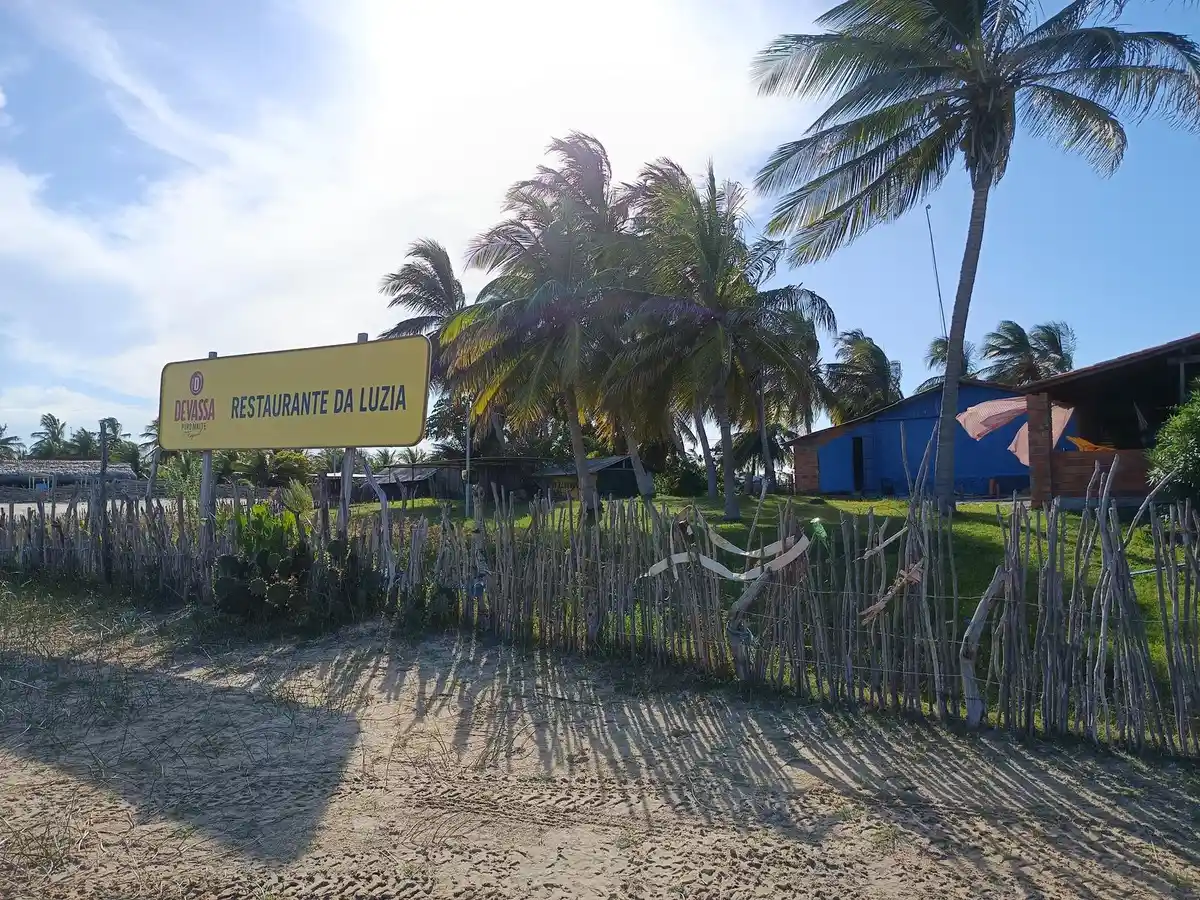
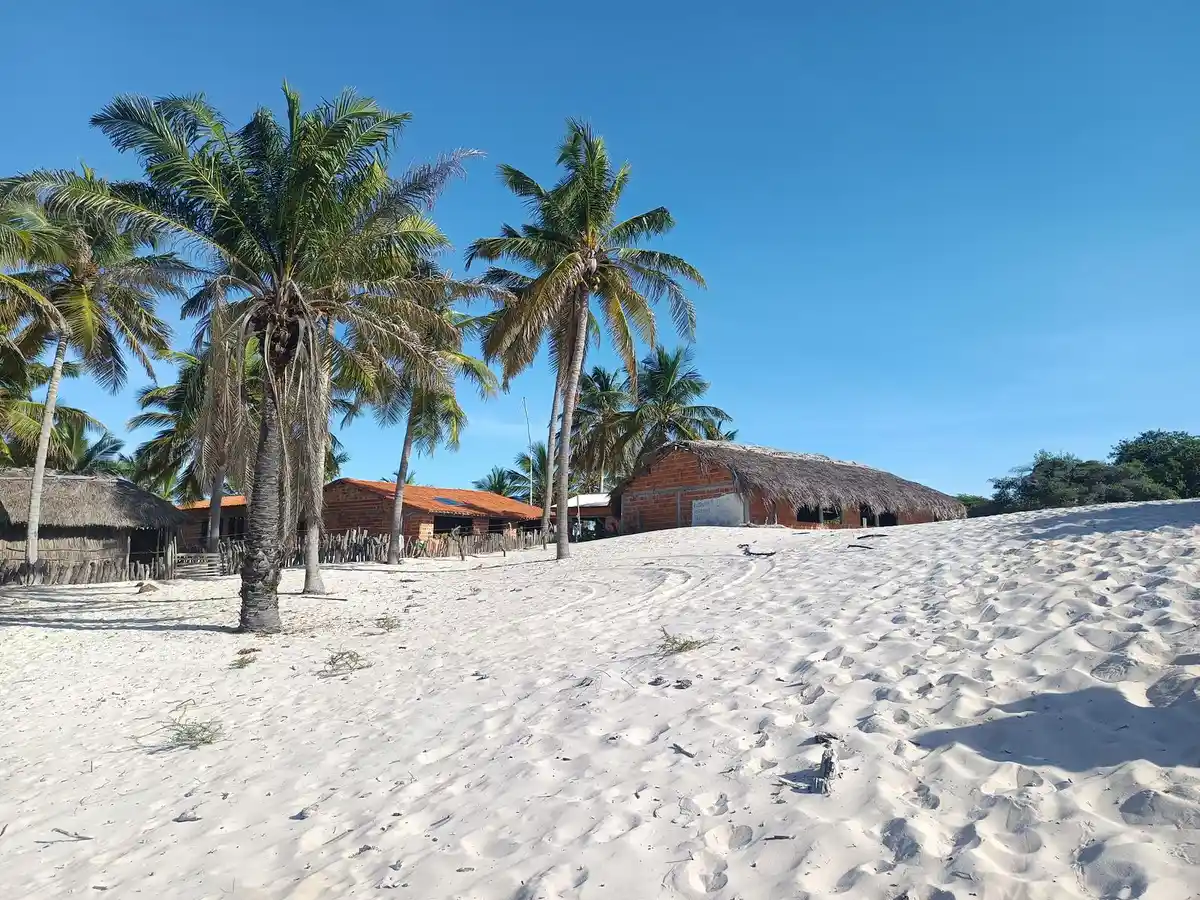
Although it is not a mandatory rule from ICMBio, it is highly recommended to hire a local guide. The park is a maze of identical dunes, and there is no cell signal or reliable GPS throughout the area. Hikes usually start at 4 or 5 in the morning to avoid the midday sun (which can easily reach 35°C). Overnight stays are made in hammocks at the homes of the oasis residents (Baixa Grande and Queimada dos Britos) and in wild camps near the pools, in the dunes. Best period: between June and August. Transition period: September (the lagoons begin to dry up, but swimming is still possible). Avoid: December to March (intense rainy season, which makes hiking and camping difficult). IMPORTANT: If you include a trip to Barra da Baleia in your itinerary, there is a lot of beach sand along the hike, which can be more tiring for the joints than the internal dunes. Sun exposure is total, as there is very little shade and the wind is constant.
Map
Guidelines
Extension: 100 KmDifficulty: HardOrientation: HardSignaling Level: PartialMinimum Altitude: -8m Maximum Altitude: 37m Negative Unevenness: 101m Positive Unevenness: 100m