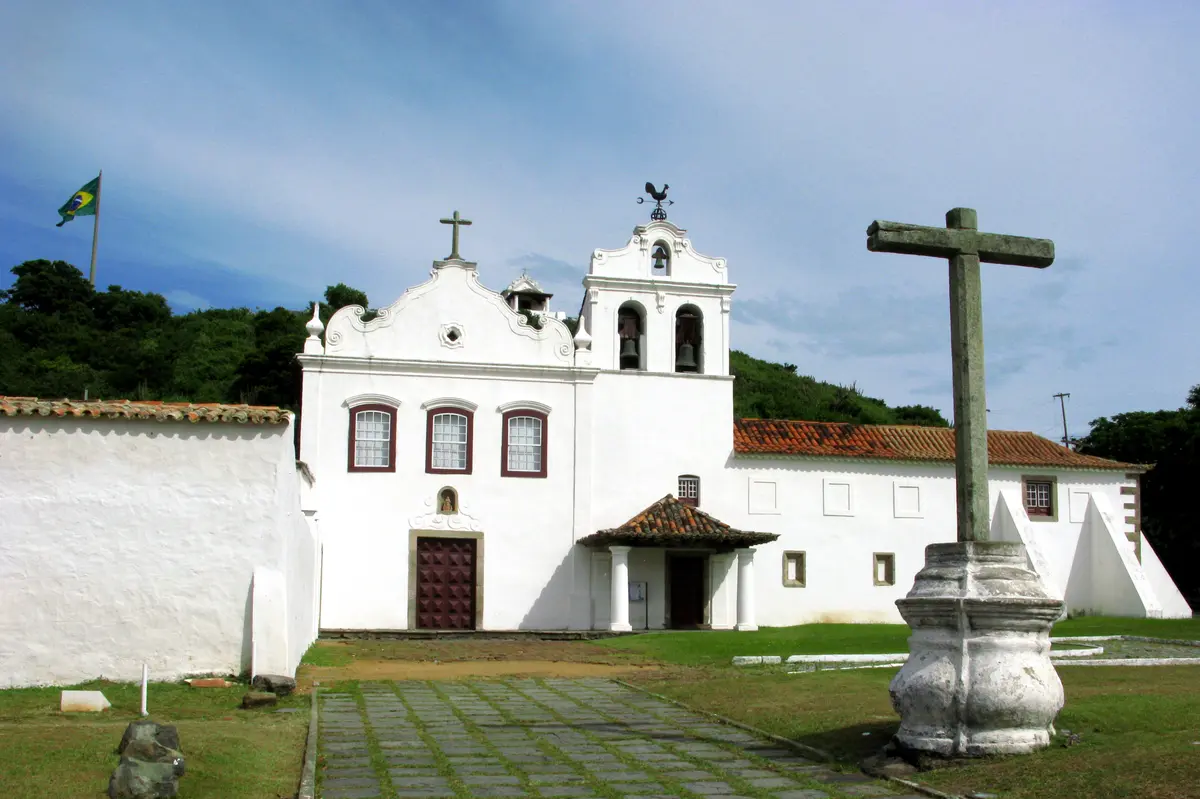
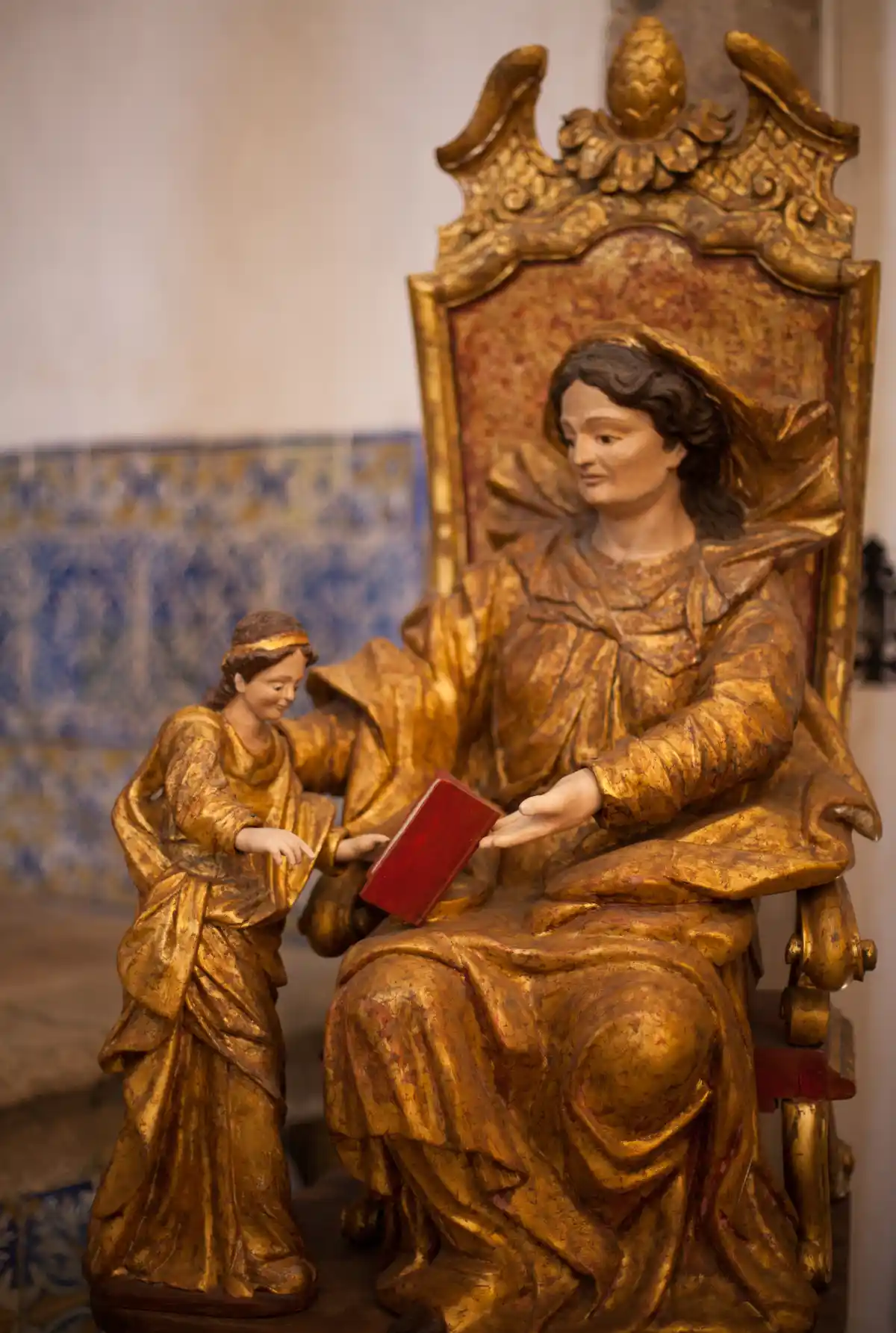
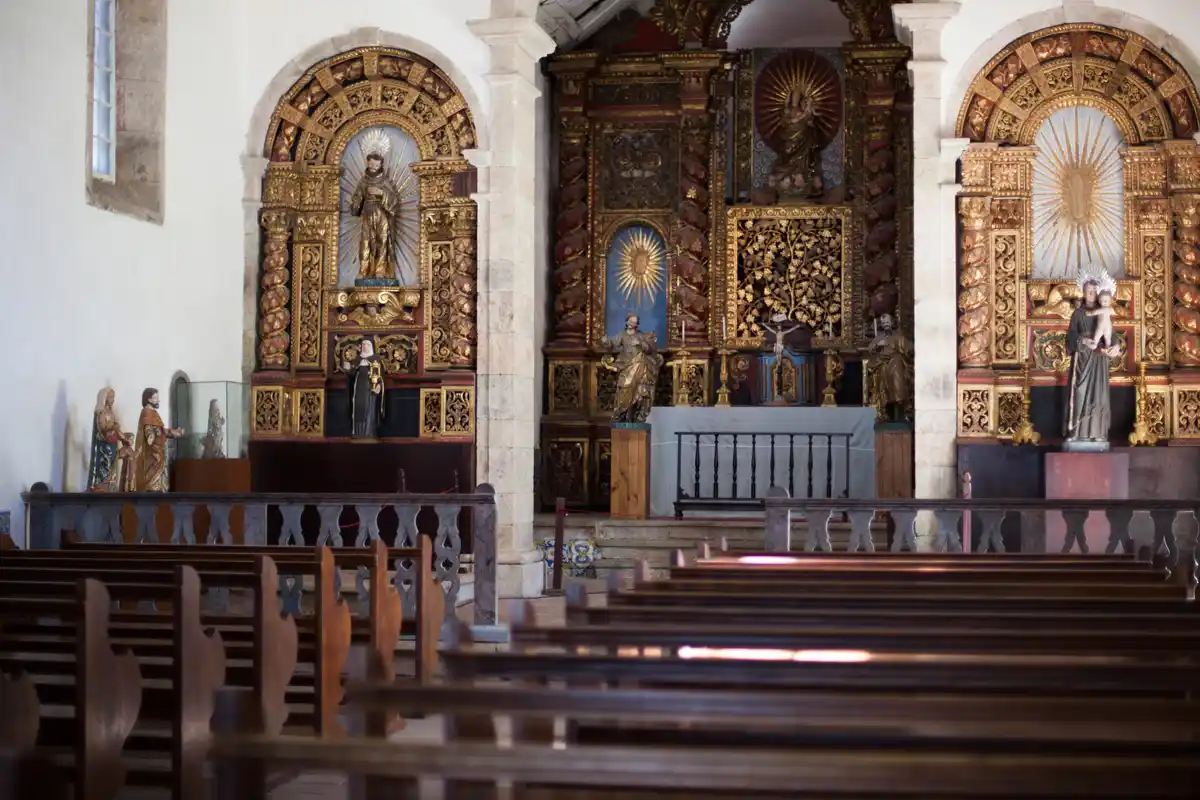
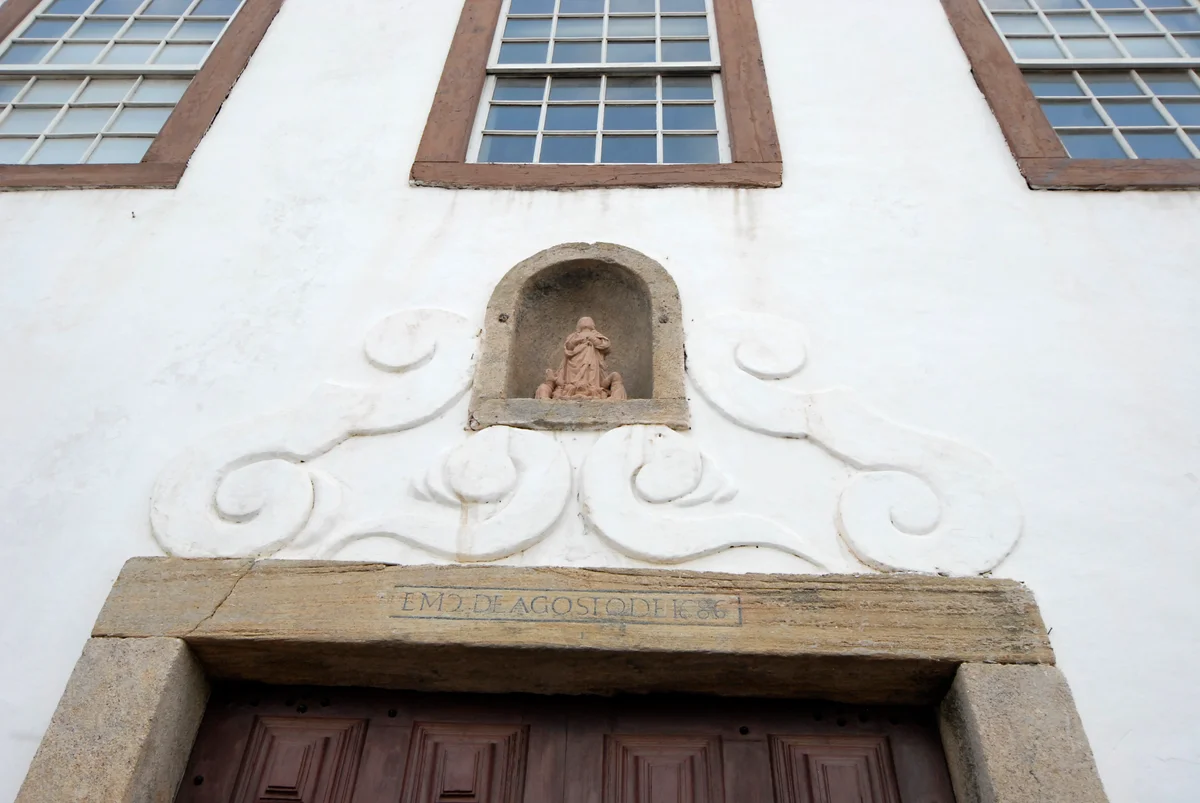
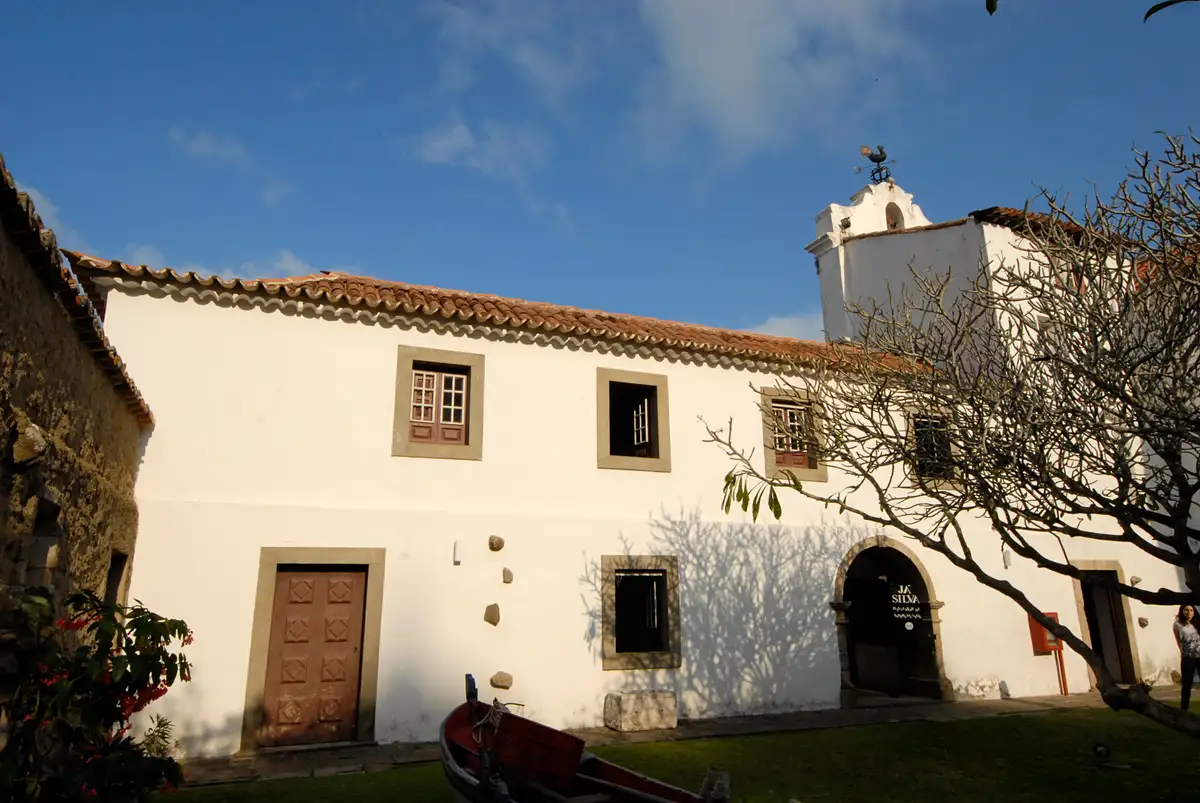
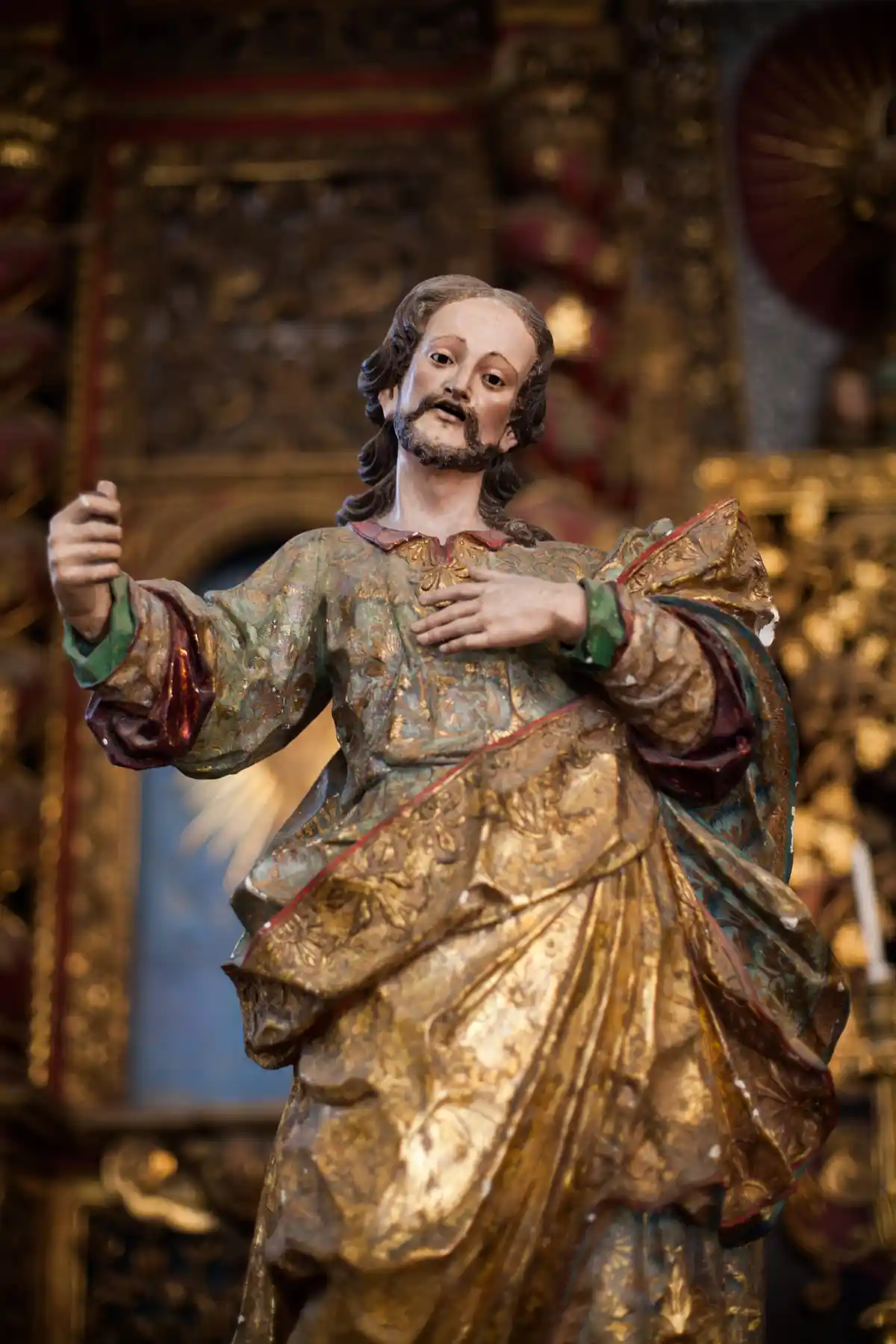
The convent church and the ruins of the former Convento de Nossa Senhora dos Anjos, a Franciscan building dating from August 2, 1686, house the Museu de Arte Religiosa e Tradicional de Cabo Frio, an institution linked to the Instituto Brasileiro de Museus (Ibram/MinC). The museum was created to preserve the convent, listed as heritage by Iphan in 1957, and opened to the public in 1982. On display is part of the collection that belonged to the friars, which was protected from looting and restored. It includes sacred images from the 17th, 18th, and 19th centuries and liturgical objects, as well as integrated elements such as the altarpieces of the high altar and the side altars. The area used by the friars extended beyond the building and included its surroundings, even Morro do Itajuru, now Morro da Guia. Over time, the Franciscans lost control of these lands, keeping only the built architectural space. Also part of the building are the chapel and the cemetery (still in use) of the Ordem Franciscana Secular de São Francisco da Penitência de Cabo Frio, active since 1696, when conventual activities began. Location of the Attraction